How Does an Automatic Tension Controller Improve Production Efficiency?
In modern manufacturing industries such as printing, packaging, textile, and converting, maintaining consistent material tension is essential for ensuring product quality and operational efficiency. An Automatic Tension Controller plays a crucial role in stabilizing web tension, minimizing material waste, and improving overall production performance. This article provides a comprehensive guide to understanding how automatic tension controllers work, their importance, applications, benefits, and how to choose the right system for your business. With insights from industry practices and solutions offered by Xiamen Kechuang Electromechanical Technology Co., Ltd, this guide helps you solve common tension-related challenges effectively.
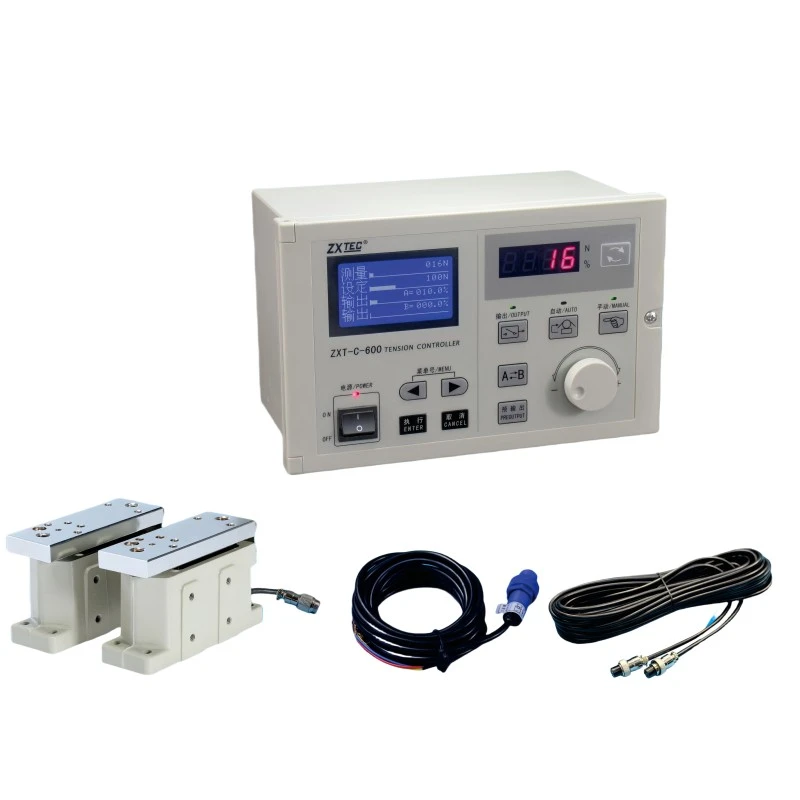
Table of Contents
- 1. What Is an Automatic Tension Controller?
- 2. Why Is Tension Control Critical in Industrial Processes?
- 3. How Does an Automatic Tension Controller Work?
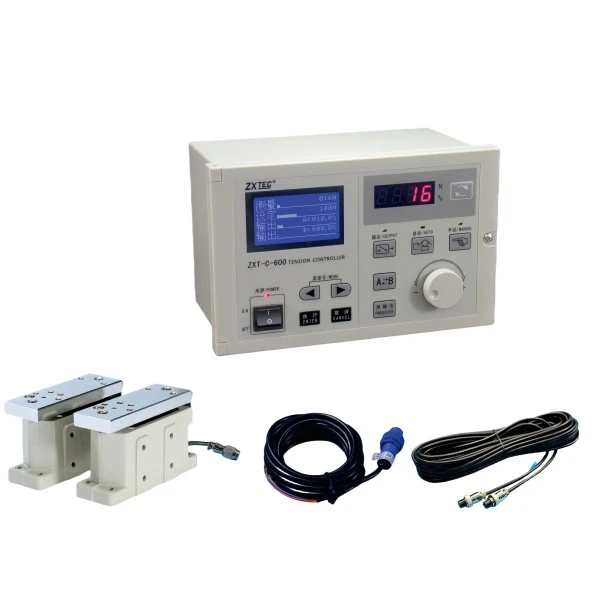
- 4. Key Components of an Automatic Tension Control System
- 5. Types of Automatic Tension Controllers
- 6. Applications Across Industries
- 7. Benefits of Using Automatic Tension Controllers
- 8. Common Problems and How to Solve Them
- 9. How to Choose the Right Controller
- 10. Comparison Table of Control Methods
- 11. Future Trends in Tension Control Technology
- 12. Frequently Asked Questions
1. What Is an Automatic Tension Controller?
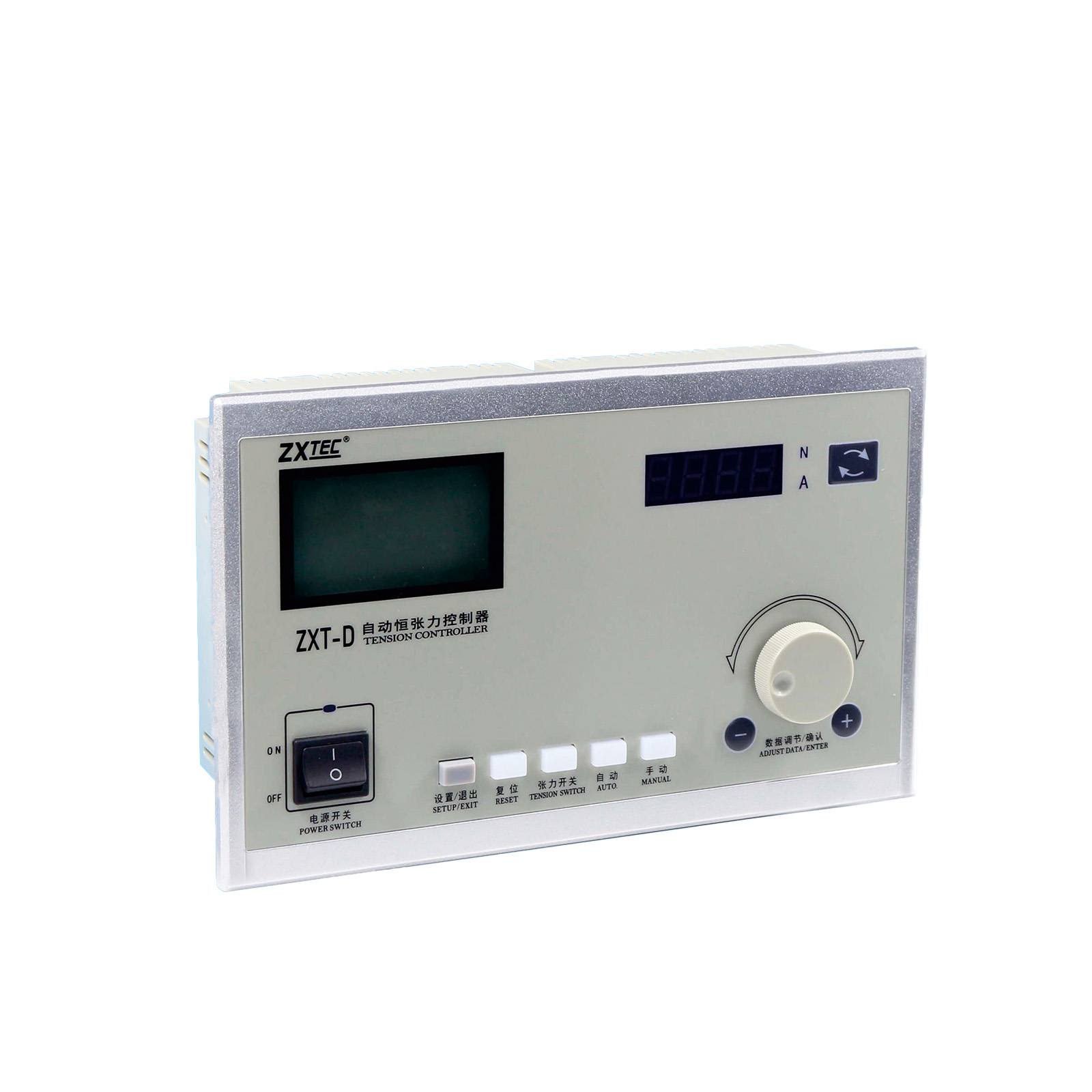
An Automatic Tension Controller is a precision device designed to regulate and maintain consistent tension in materials such as paper, film, foil, textiles, and wire during production processes. It ensures that materials neither slack nor overstretch, which is essential for maintaining product quality and preventing defects.
Manufacturers like Xiamen Kechuang Electromechanical Technology Co., Ltd provide advanced solutions that integrate sensors, controllers, and actuators to achieve real-time tension adjustments.
2. Why Is Tension Control Critical in Industrial Processes?
Improper tension can lead to numerous production issues, including:
- Material wrinkles or deformation
- Inconsistent product quality
- Frequent machine downtime
- Increased material waste
- Reduced production speed
Maintaining optimal tension is especially important in high-speed production lines where even minor fluctuations can cause significant losses.
3. How Does an Automatic Tension Controller Work?
An automatic tension control system operates through a closed-loop mechanism:
- Detection: Sensors measure the current tension of the material.
- Signal Processing: The controller compares the measured tension with the desired setpoint.
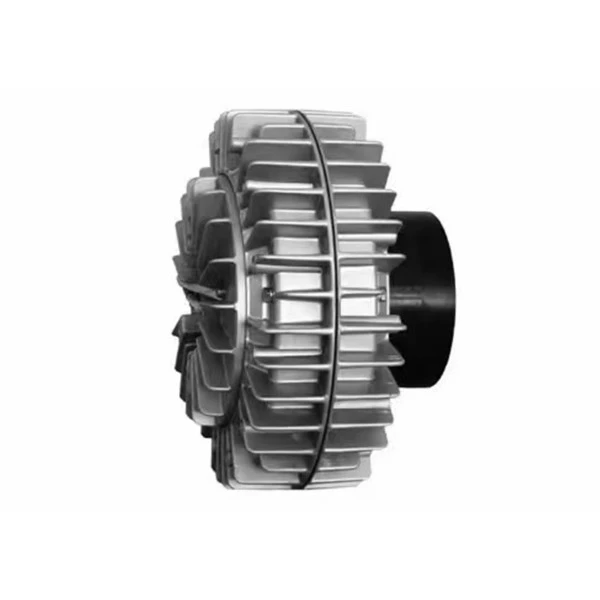
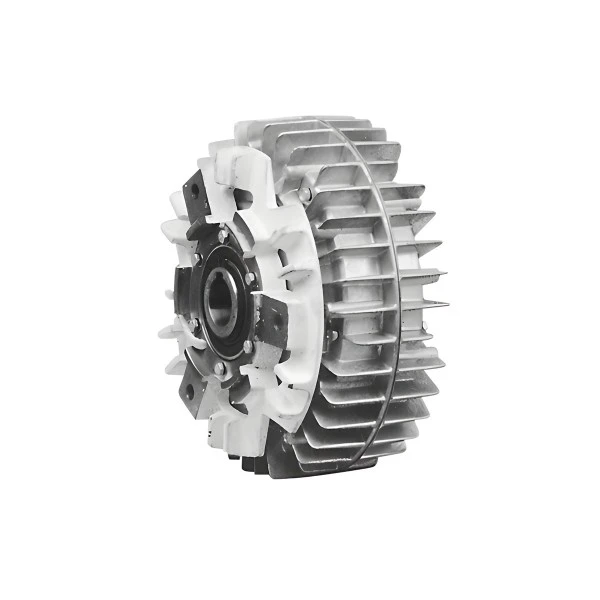
- Adjustment: Actuators such as brakes, clutches, or motors adjust the tension accordingly.
- Feedback Loop: Continuous monitoring ensures stable and accurate tension.
This automated process eliminates manual intervention and ensures precise control throughout production.
4. Key Components of an Automatic Tension Control System
| Component | Function |
|---|---|
| Tension Sensor | Measures actual tension in real-time |
| Controller Unit | Processes signals and determines adjustments |
| Actuator | Applies force to maintain tension |
| Human-Machine Interface | Allows operators to monitor and adjust settings |
Companies like Xiamen Kechuang Electromechanical Technology Co., Ltd design integrated systems that combine these components seamlessly for optimal performance.
5. Types of Automatic Tension Controllers
- Open-Loop Control Systems: Operate without feedback, suitable for simple applications.
- Closed-Loop Control Systems: Use feedback signals for precise tension control.
- Load Cell-Based Systems: Provide high accuracy using direct tension measurement.
- Dancer Roll Systems: Maintain tension through mechanical movement.
Each type serves different production needs depending on complexity and precision requirements.
6. Applications Across Industries
Automatic tension controllers are widely used in:
- Printing and packaging industries
- Textile manufacturing
- Paper and pulp processing
- Plastic film production
- Metal foil processing
For example, in packaging, precise tension ensures proper alignment and sealing, directly affecting product appearance and durability.
7. Benefits of Using Automatic Tension Controllers
- Improved product quality and consistency
- Reduced material waste
- Higher production efficiency
- Lower labor costs
- Enhanced machine lifespan
With advanced solutions from Xiamen Kechuang Electromechanical Technology Co., Ltd, businesses can significantly optimize their production lines and reduce operational risks.
8. Common Problems and How to Solve Them
| Problem | Solution |
|---|---|
| Uneven tension | Calibrate sensors and check alignment |
| Material wrinkling | Adjust tension settings and roller positioning |
| Frequent breaks | Reduce excessive tension levels |
| System instability | Upgrade to a closed-loop control system |
9. How to Choose the Right Controller
When selecting an automatic tension controller, consider the following factors:
- Material type and properties
- Production speed requirements
- Accuracy and precision needs
- System compatibility
- Budget and scalability
Working with experienced manufacturers like Xiamen Kechuang Electromechanical Technology Co., Ltd ensures you get tailored solutions that match your operational needs.
10. Comparison Table of Control Methods
| Control Type | Accuracy | Cost | Complexity |
|---|---|---|---|
| Manual Control | Low | Low | Low |
| Open-Loop | Medium | Medium | Medium |
| Closed-Loop | High | High | High |
11. Future Trends in Tension Control Technology
The future of automatic tension control is moving toward smarter and more connected systems:
- Integration with IoT for real-time monitoring
- AI-based predictive maintenance
- Energy-efficient control systems
- Advanced digital interfaces
Innovative companies such as Xiamen Kechuang Electromechanical Technology Co., Ltd are already developing next-generation solutions to meet evolving industrial demands.
12. Frequently Asked Questions
Q1: What industries benefit the most from automatic tension controllers?
A: Industries such as printing, packaging, textiles, and film production benefit significantly due to their need for precise material handling.
Q2: How does a closed-loop system improve performance?
A: It continuously monitors and adjusts tension, ensuring consistent accuracy and reducing errors.
Q3: Can automatic tension controllers reduce waste?
A: Yes, they minimize defects and material loss by maintaining stable tension throughout production.
Q4: Are these systems difficult to install?
A: Modern systems are designed for easy integration, especially when supported by experienced suppliers.
Q5: How do I maintain an automatic tension controller?
A: Regular calibration, cleaning, and system checks ensure long-term reliability and performance.
Conclusion
Automatic tension controllers have become an essential component in modern industrial production. They not only improve product quality but also enhance efficiency, reduce waste, and lower operational costs. By investing in advanced solutions from trusted manufacturers like Xiamen Kechuang Electromechanical Technology Co., Ltd, businesses can stay competitive in an increasingly demanding market.
If you are looking to upgrade your production line with reliable and high-performance tension control solutions, contact us today to discover how we can help you achieve superior efficiency and precision.
Related News
- How Many Slitting Strips Can Your Machine Generate Simultaneously?
- How Does a Curing Chamber with Painted Door Improve Industrial Efficiency and Product Quality?
- How Does a Dual-Passage Curing Chamber Improve Industrial Efficiency and Product Quality?
- Why Choose a Heavy-Duty Curing Chamber?
- What Is a Standard Slitting Machine and Why Is It Essential for Modern Manufacturing?
- Why Choose an Industrial Grade Laminating Curing Oven?
Leave me a message