
How Many Slitting Strips Can Your Machine Generate Simultaneously?
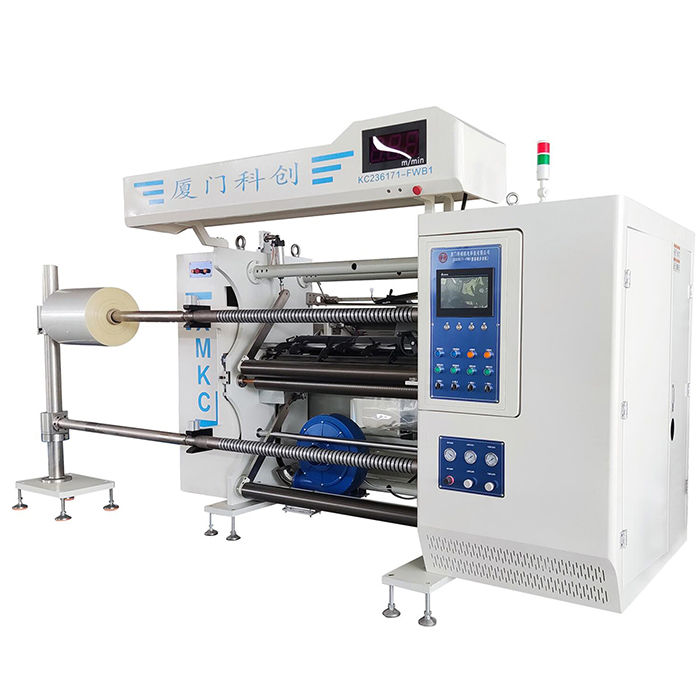
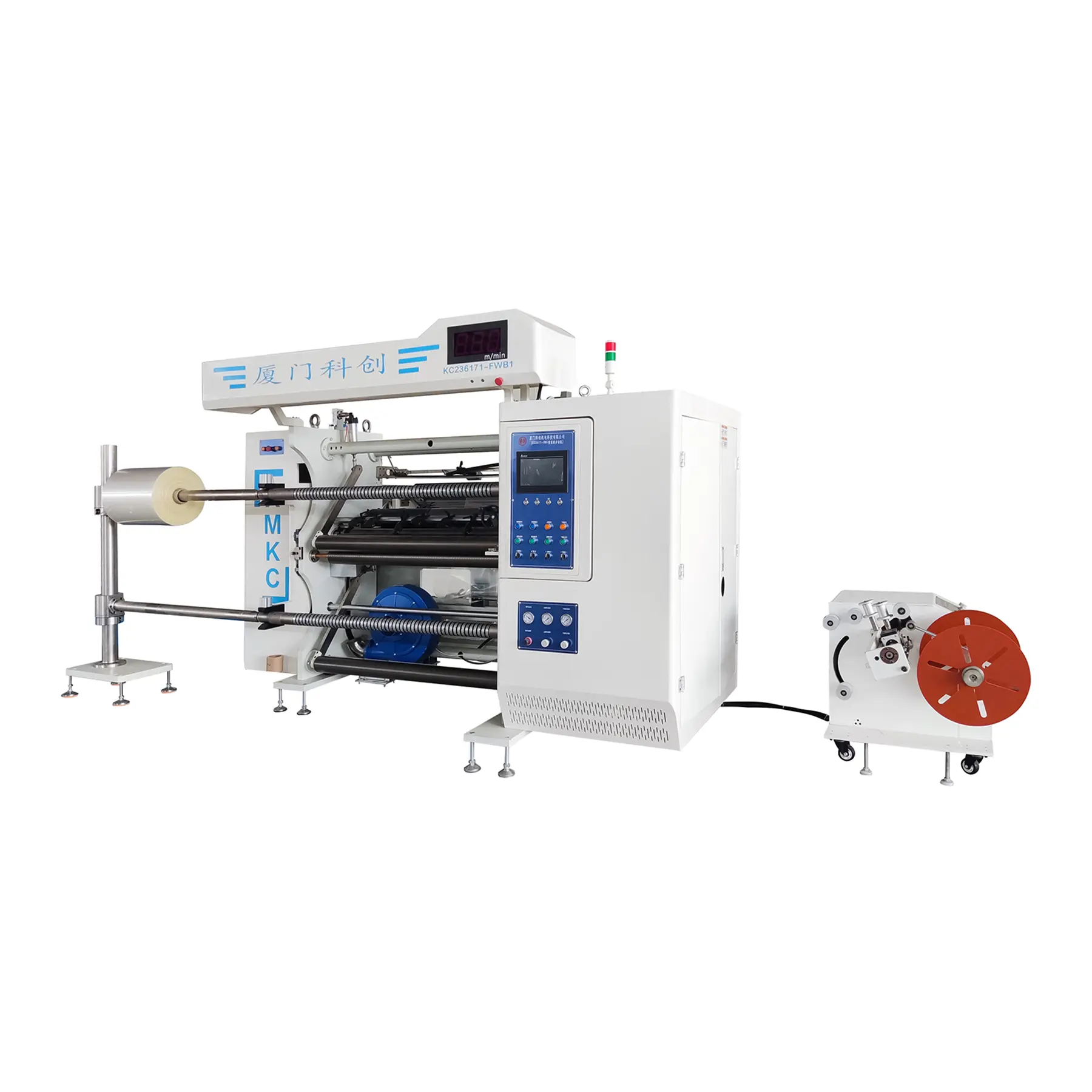
Kechuang Electromechanical Technology Co., Ltd.'s Slitting Machine is transforming the way packaging and printing industries handle large film rolls, enabling higher precision and efficient multi-strip cutting. How many slitting strips can your machine generate simultaneously? This question has become central to modern production efficiency and material utilization.
The Need for High-Efficiency Slitting
In fast-paced industrial operations, speed and accuracy are crucial. Traditional slitting methods often require multiple adjustments or manual intervention, slowing production and creating inconsistencies. With the rise of flexible packaging and various film materials, operators need solutions that ensure precise cutting without compromising material integrity.
The Machine from Xiamen Kechuang addresses these challenges through automation, tension control, and high-precision cutting. Its multi-strip capability allows for simultaneous cutting, streamlining operations and reducing waste.
How it Improves Workflow
Precision Cutting
Equipped with advanced positioning systems, it ensures uniformity across all strips. This consistency is critical for downstream processes such as laminating, printing, and packaging.
Automated Operation
Touch screen controls, intelligent correction systems, and PLC interfaces allow operators to make adjustments remotely and efficiently. This reduces human error and keeps production running smoothly.
Stable Tension Management
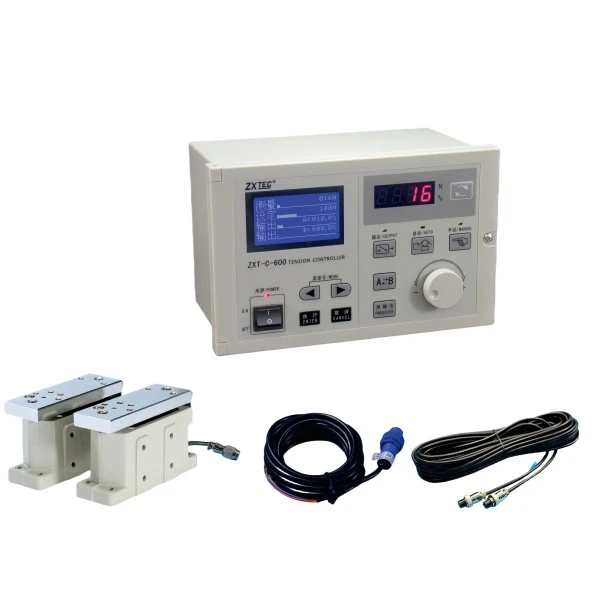
Maintaining consistent tension is essential to prevent wrinkles and misalignment, especially with delicate or ultra-thin films. The tension control system ensures material stability during the entire slitting process.
Simultaneous Multi-Strip Capability
By cutting multiple strips at once, production lines can operate faster, minimize downtime between adjustments, and increase overall output. This capability is particularly valuable for high-volume operations.
Table: Versatility
| Material Type | Typical Use Case | Key Benefit | Notes |
| Flexible Film | Packaging operations | Consistent strip quality | Smooth cutting, easy handling |
| Laminating Film | Protective coatings | Stable tension | Supports ultra-thin layers |
| Plastic Film | Printing applications | Multi-strip output | Reduces material waste |
| Label Film | Graphics and labels | Precision cutting | Handles delicate materials efficiently |
Why Multi-Strip Slitting Matters
Producing multiple strips in a single pass is more than convenience—it drives operational efficiency. Faster slitting reduces labor requirements, shortens production cycles, and ensures consistent output. Precise cutting minimizes material waste, helping factories maintain quality standards without slowing workflow.
Moreover, intelligent Slitting Machines can exchange operational data with production management systems, allowing multiple machines to synchronize performance and share parameters. This creates a connected workflow that maximizes efficiency across the entire production line.
Broad Applications Across Industries
The Machine is not limited to flexible packaging. Printing companies, laminating facilities, and other industrial operations all benefit from its adaptability. Its ability to handle different materials, widths, and thicknesses makes it an essential tool for modern manufacturing processes.
Table: Material Flexibility
| Material Type | Typical Use Case | Performance Advantage | Notes |
| Flexible Film | General packaging | Smooth, consistent cutting | Easy to operate with tension control |
| Laminating Film | Coating and laminating | Stable and reliable | Supports sensitive materials |
| Plastic Film | Printing and labeling | Multi-strip capability | Optimizes production efficiency |
| Label Film | Graphics and specialty | High precision | Suitable for delicate films |
Maximizing Efficiency
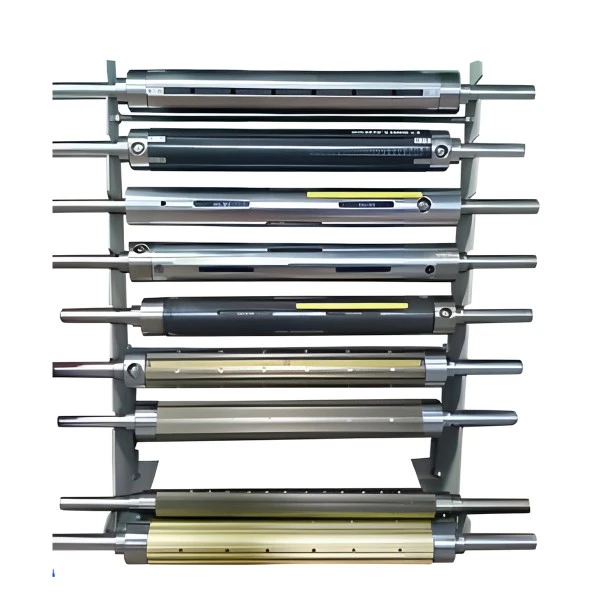
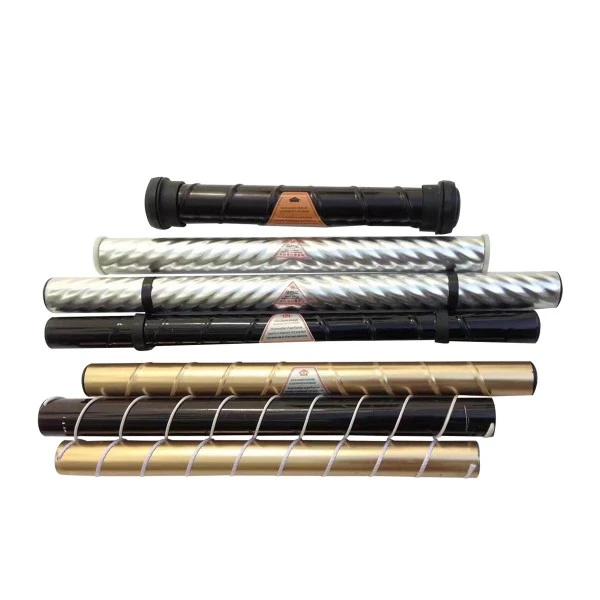
Balancing automation, tension control, and material handling is key to achieving high multi-strip output. Independent servo controls, pneumatic shafts, and closed-loop tension systems allow machines to operate smoothly at high speeds while maintaining quality. Safety features, including alarms and emergency stops, protect both operators and equipment.
Looking Ahead
As production becomes more automated and materials more diverse, the need for efficient, precise slitting solutions continues to grow. Xiamen Kechuang's Slitting Machine demonstrates how advanced technology can improve multi-strip operations, reduce waste, and maintain consistent output across various industries.
In conclusion, understanding how many slitting strips your machine can generate simultaneously is essential for optimizing production workflow. Companies can achieve greater efficiency, stable material handling, and precise results—making it a core asset for modern industrial operations.
Related News
- How Does a Curing Chamber with Painted Door Improve Industrial Efficiency and Product Quality?
- How Does a Dual-Passage Curing Chamber Improve Industrial Efficiency and Product Quality?
- Why Choose a Heavy-Duty Curing Chamber?
- How Does an Automatic Tension Controller Improve Production Efficiency?
- What Is a Standard Slitting Machine and Why Is It Essential for Modern Manufacturing?
- Why Choose an Industrial Grade Laminating Curing Oven?
Leave me a message