Abstract · This article provides a detailed technical examination of the Curing Chamber with Refrigeration, exploring its design principles, temperature control systems, and critical role in processing temperature-sensitive materials. The discussion covers cooling mechanisms, humidity regulation, chamber construction, and the engineering considerations that ensure precise curing conditions for adhesives, composites, and specialty products.
01. Design Principles and Chamber Configuration
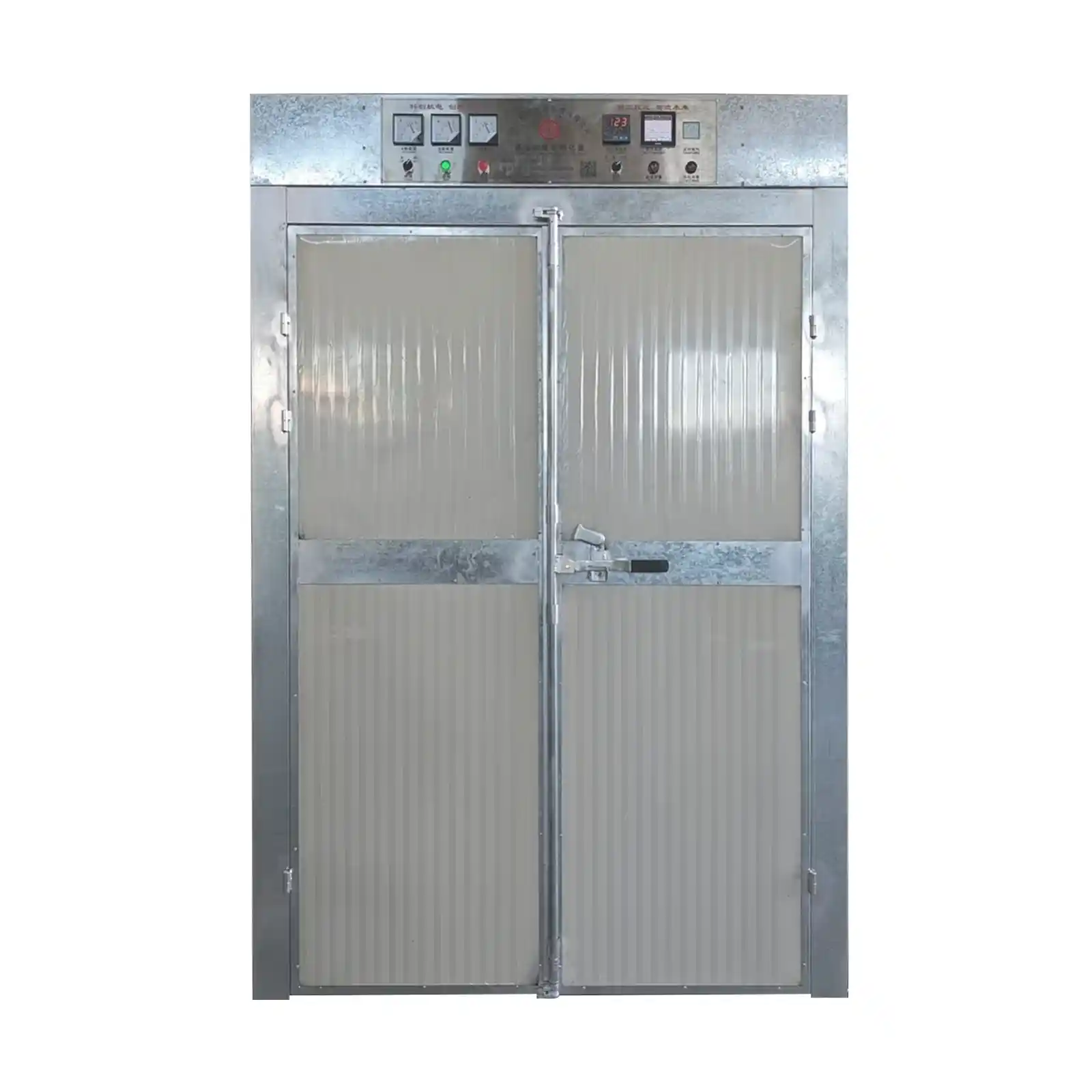
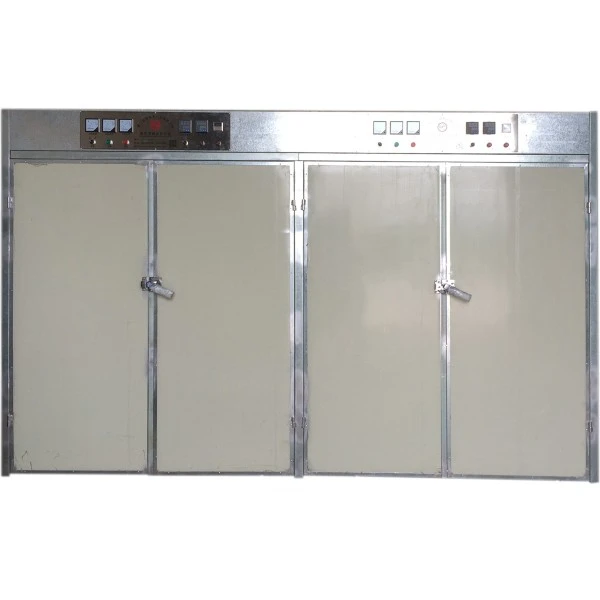
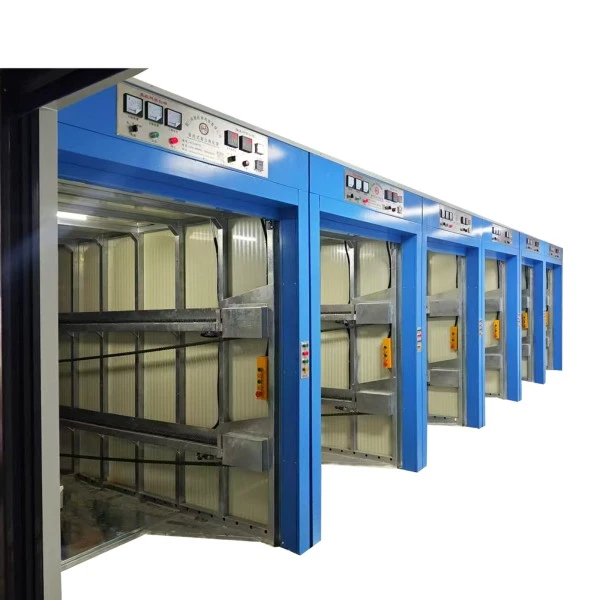
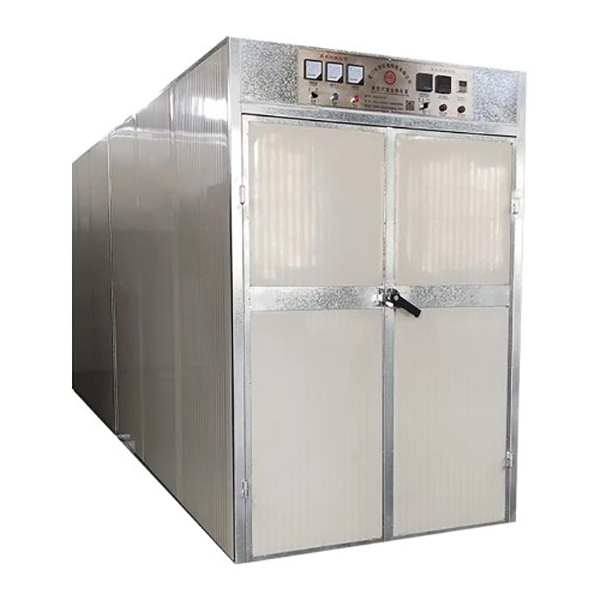
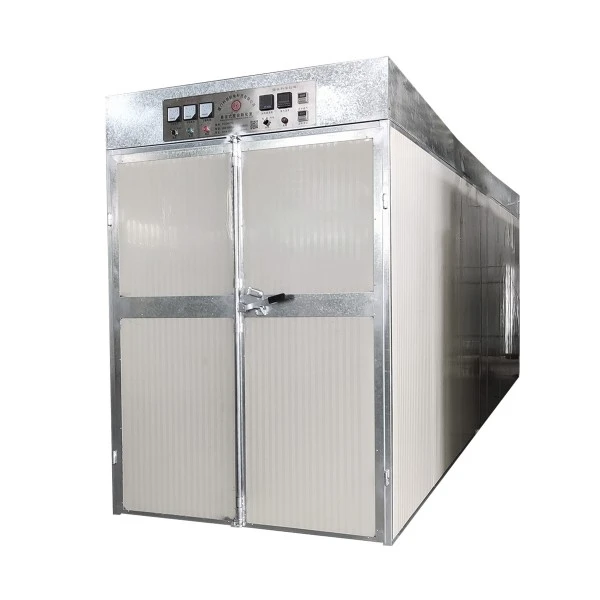
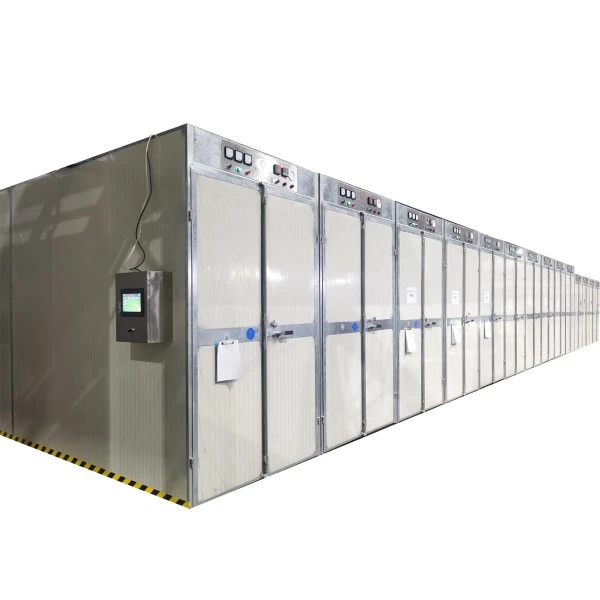
A Curing Chamber with Refrigeration is a controlled-environment enclosure designed to maintain specific temperature and humidity conditions during the curing process of temperature-sensitive materials. Unlike standard curing ovens, which provide only heating, these chambers integrate refrigeration systems to cool the interior when required.
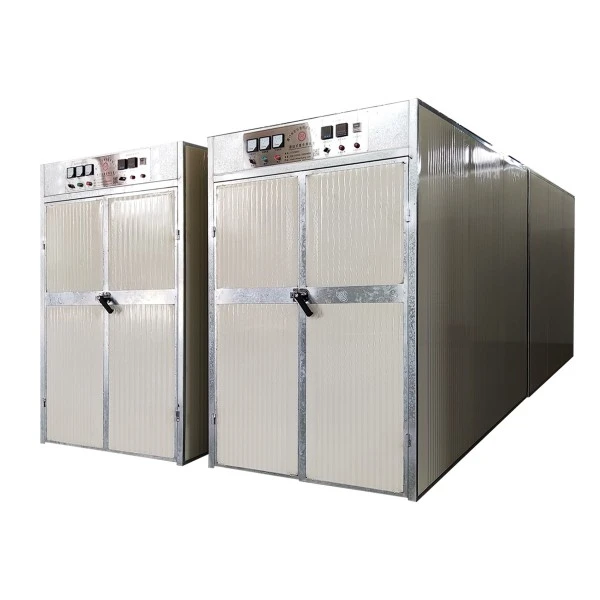
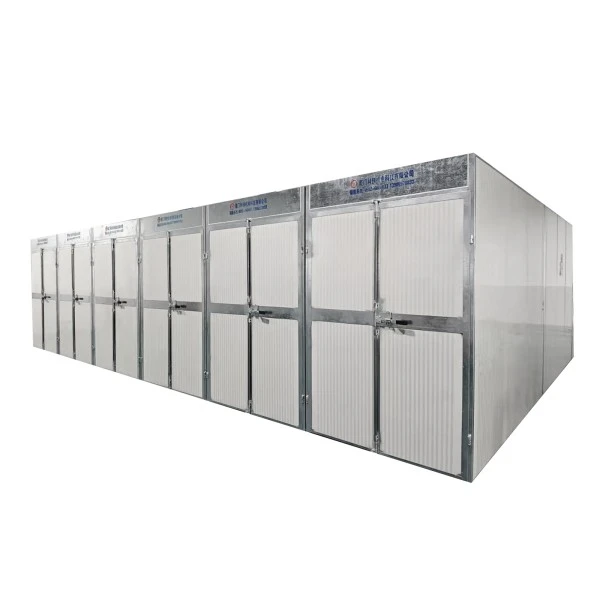
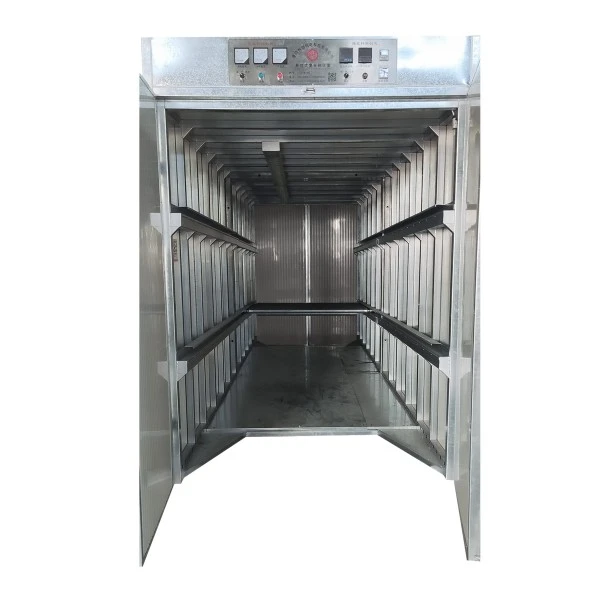
The chamber typically consists of an insulated enclosure, a refrigeration unit, heating elements, air circulation fans, and a control system. The interior is designed to accommodate racks, shelves, or fixtures for holding the materials being cured. The door is sealed to prevent air leakage and to maintain stable conditions. The overall configuration must balance thermal performance, accessibility, and energy efficiency.
Insulated enclosure, refrigeration unit, heating, fans
Maintain precise temperature and humidity
Thermal stability and accessibility
02. Refrigeration Systems and Temperature Control
Provides reliable cooling capacity for maintaining low temperatures
Allow the chamber to reach and hold higher temperatures when needed
Proportional-integral-derivative control ensures precise temperature regulation
Fans circulate air to maintain even temperature distribution
The refrigeration system is the distinguishing feature of the Curing Chamber with Refrigeration, enabling it to maintain temperatures below ambient when required. This is essential for materials that must be cured at low temperatures to prevent premature reaction, thermal degradation, or excessive shrinkage. The system typically uses a compressor, condenser, expansion valve, and evaporator to remove heat from the chamber interior.
Control Note: The temperature control system must be capable of responding quickly to changes in load or setpoint. Precise control is critical for materials with narrow curing windows, where even small deviations can affect the final properties.
03. Humidity Regulation and Environmental Stability
In addition to temperature, humidity plays a critical role in many curing processes. The Curing Chamber with Refrigeration may incorporate humidity control systems to maintain a specific moisture level.
- Humidification: Steam or ultrasonic humidifiers add moisture to the chamber air.
- Dehumidification: Refrigeration coils or desiccant systems remove excess moisture.
- Humidity Sensors: Monitor the moisture level and provide feedback to the control system.
- Condensate Management: Drainage systems remove water that condenses on cooling coils.
- Stability: The chamber design minimizes fluctuations to ensure consistent curing conditions.
04. Insulation and Chamber Construction Materials
The construction materials of the curing chamber are selected to provide thermal insulation, durability, and resistance to the conditions inside the chamber.
| Component | Typical Material | Function |
|---|---|---|
| Wall Panels | Polyurethane foam sandwich panels | High thermal insulation |
| Interior Lining | Stainless steel or galvanized steel | Corrosion resistance and easy cleaning |
| Door Seal | Silicone or EPDM gasket | Prevents air leakage |
| Floor | Reinforced stainless steel or aluminum | Supports loads and resists wear |
| Insulation Thickness | 100 mm to 150 mm | Minimizes heat transfer |
Based on typical construction of industrial curing chambers.
05. Control Systems and Process Monitoring
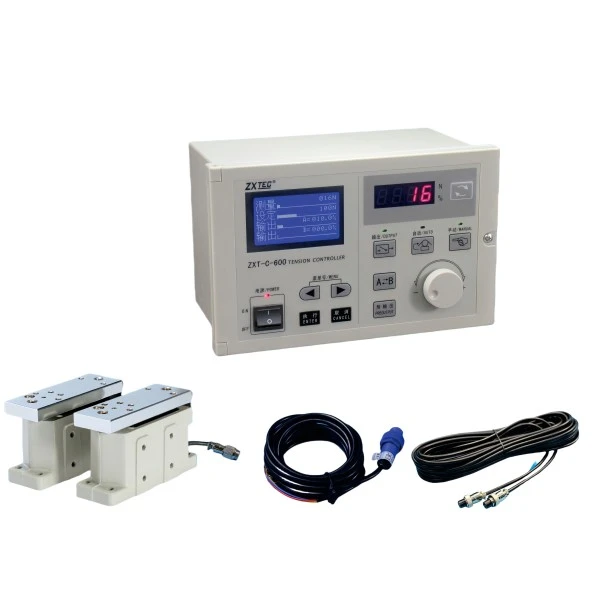
Modern curing chambers are equipped with advanced control systems that allow operators to program temperature and humidity profiles, monitor conditions in real time, and record data for quality assurance.
- Programmable Controllers: Allow multi-step curing profiles with ramps and holds.
- Data Logging: Records temperature and humidity throughout the curing cycle.
- Alarm Systems: Alert operators if conditions deviate from setpoints.
- Remote Monitoring: Enables oversight of the curing process from external locations.
- Reporting: Generates documentation for quality control and compliance.
06. Application Domains and Material Compatibility
The curing chamber with refrigeration is used in a variety of industries where temperature-sensitive materials require controlled curing conditions.
- Adhesives and Sealants: Curing of epoxy, polyurethane, and silicone adhesives at controlled temperatures.
- Composites: Curing of carbon fiber and fiberglass laminates with precise temperature profiles.
- Electronics: Curing of encapsulants and conformal coatings without thermal damage.
- Pharmaceuticals: Controlled drying and crystallization of temperature-sensitive compounds.
- Food Processing: Controlled fermentation and maturation of specialty products.
- Research and Development: Testing material properties under precisely controlled conditions.
The combination of heating and refrigeration capabilities makes the chamber a versatile tool for processing materials that cannot tolerate temperature extremes.
Frequently Asked Questions
Product specifications and availability may vary. Always consult the manufacturer's documentation for your specific application requirements.