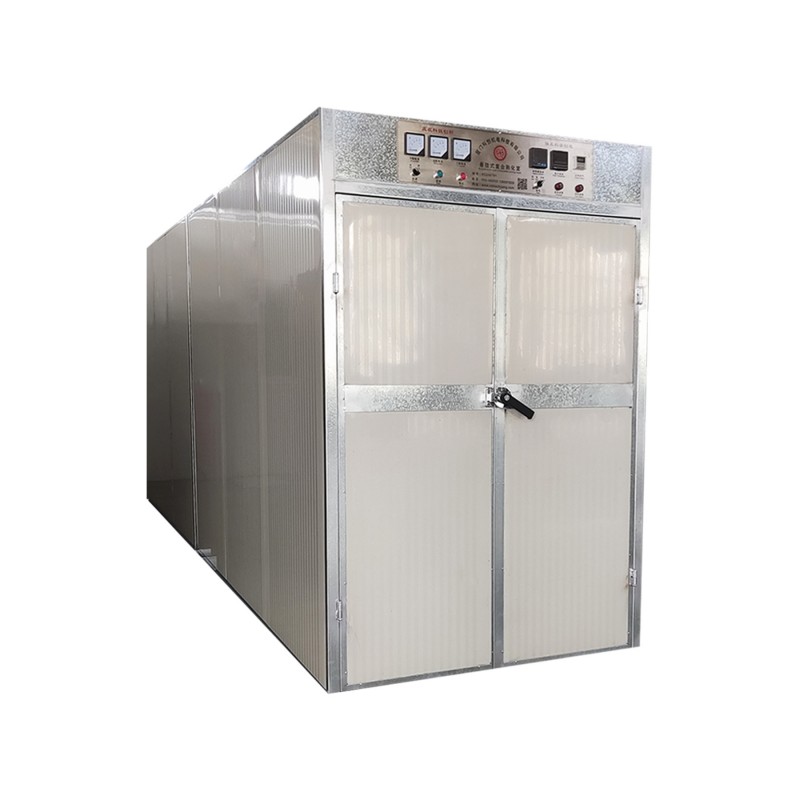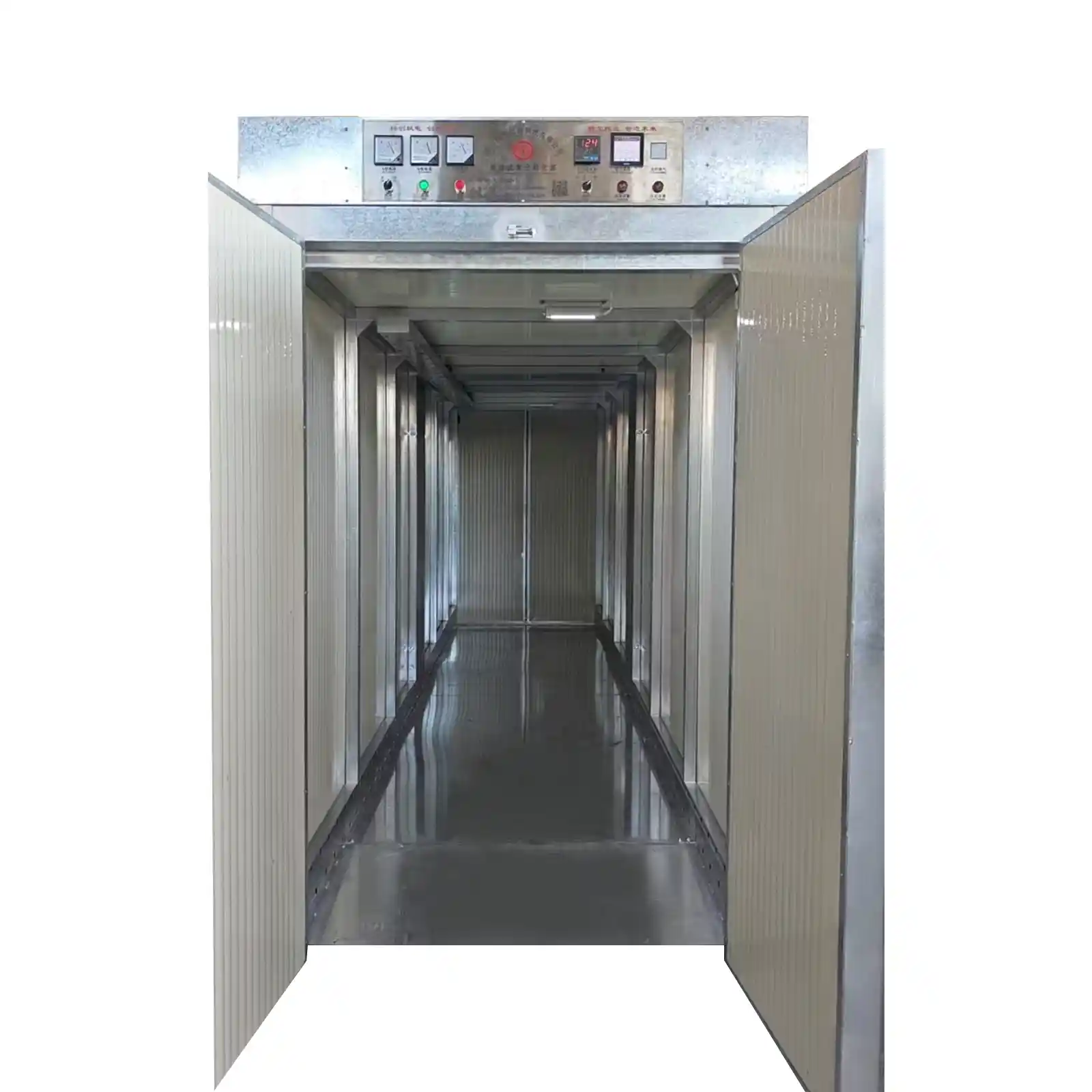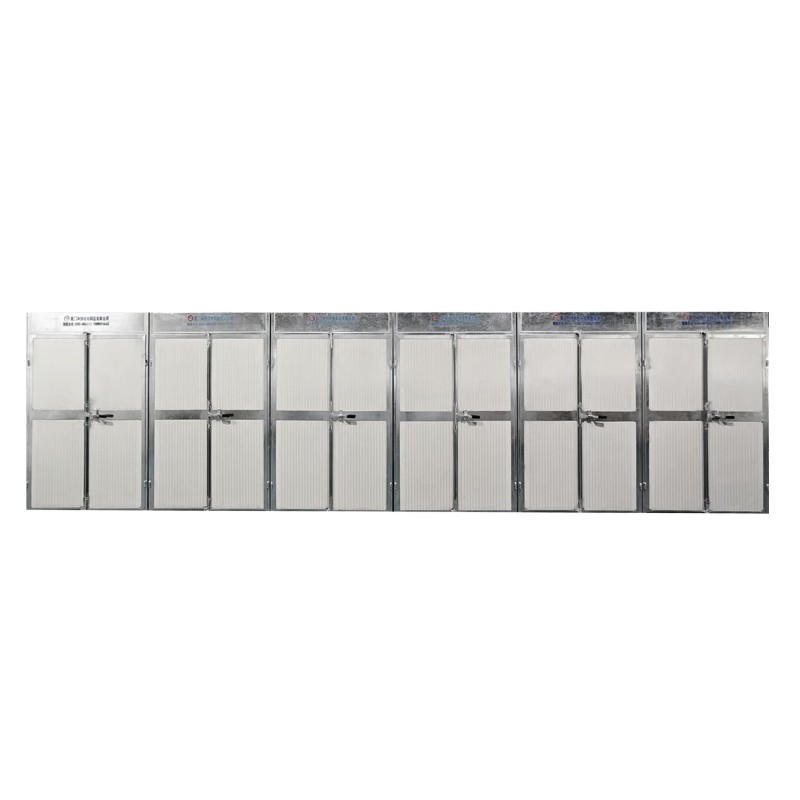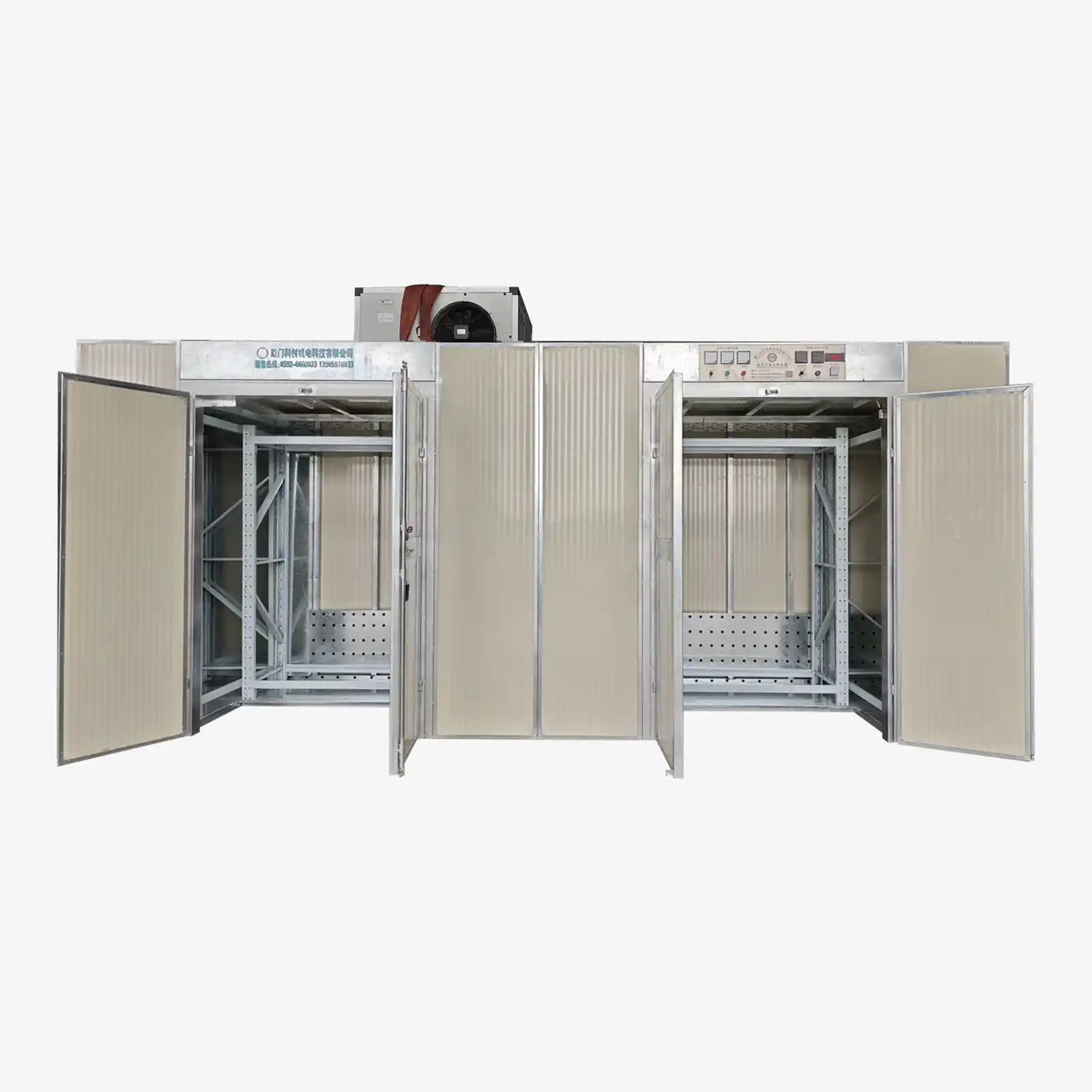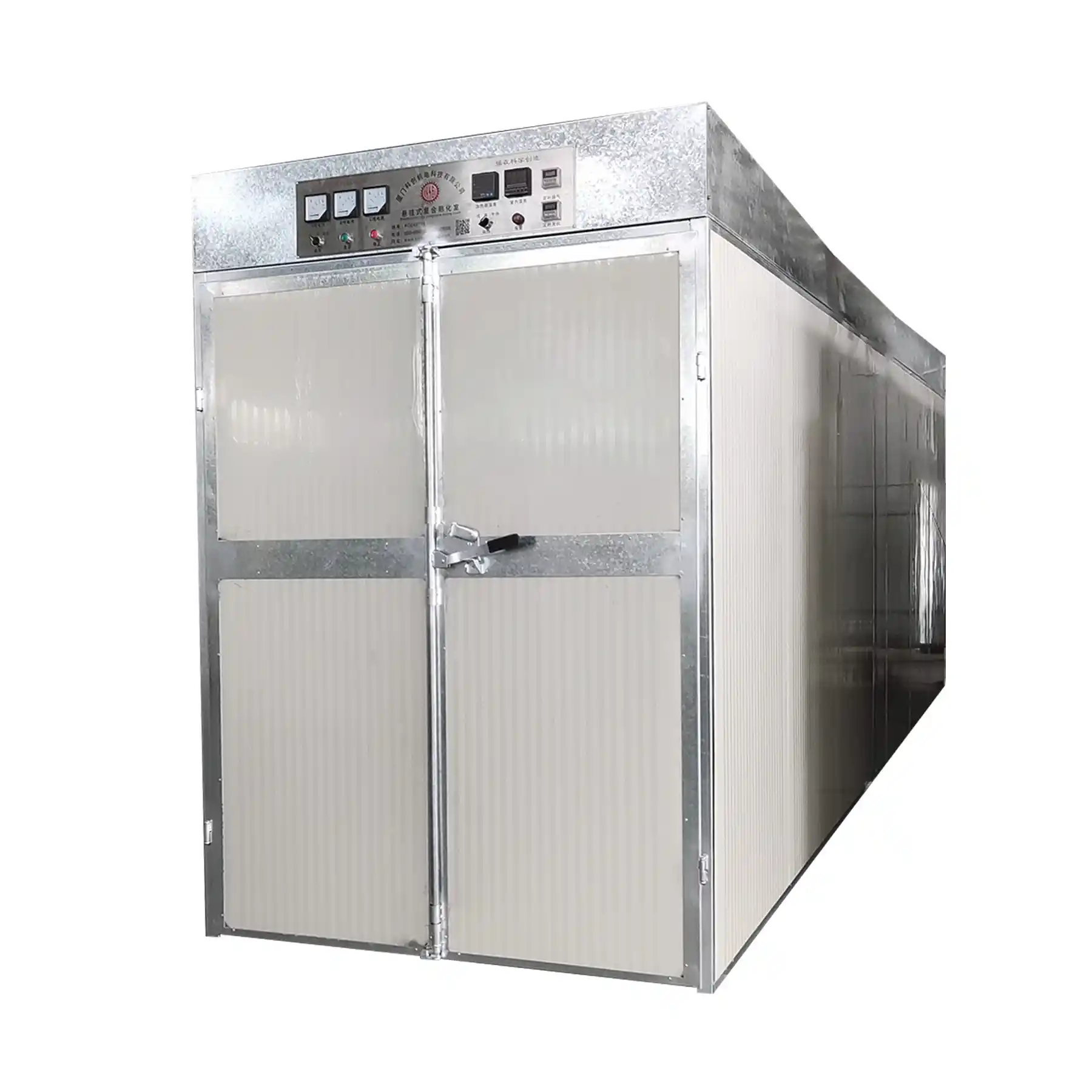
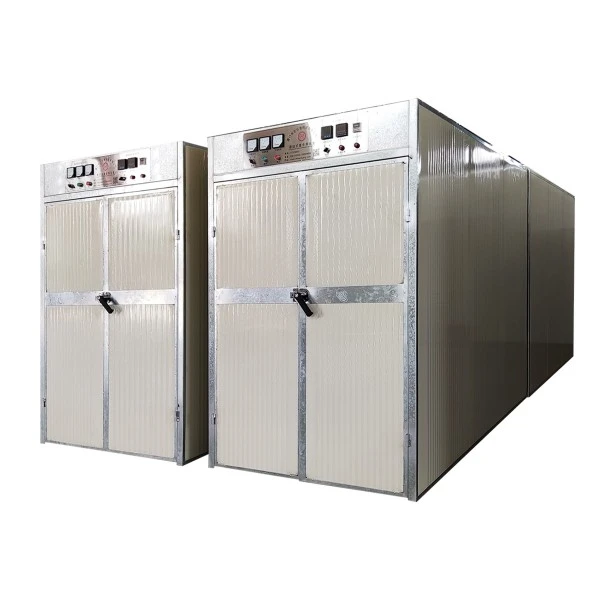
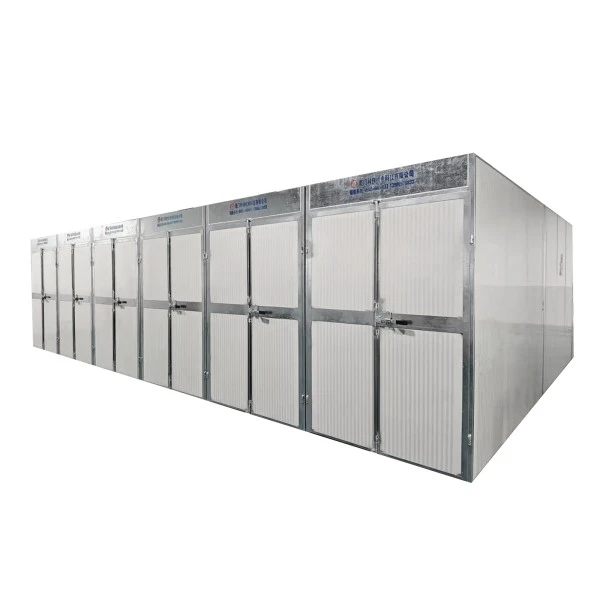
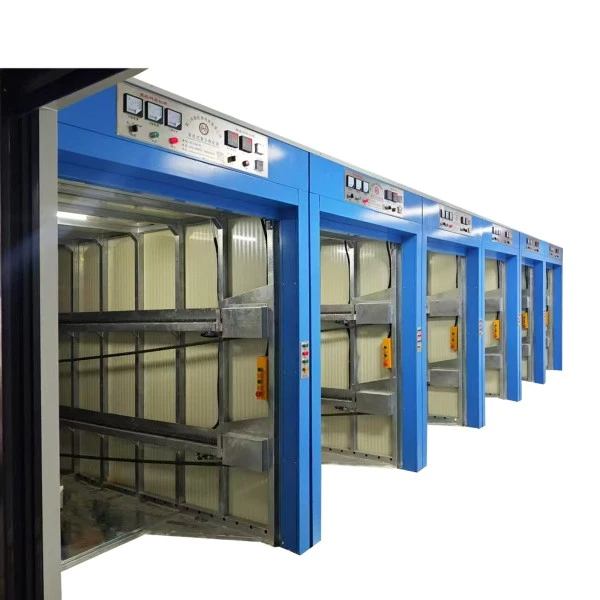
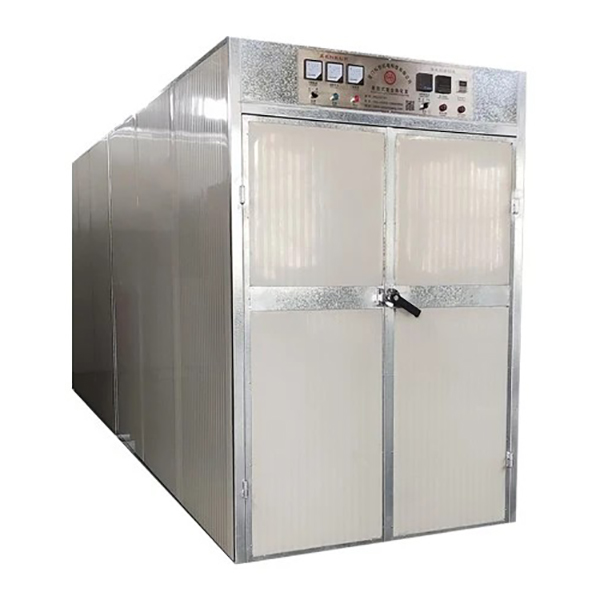
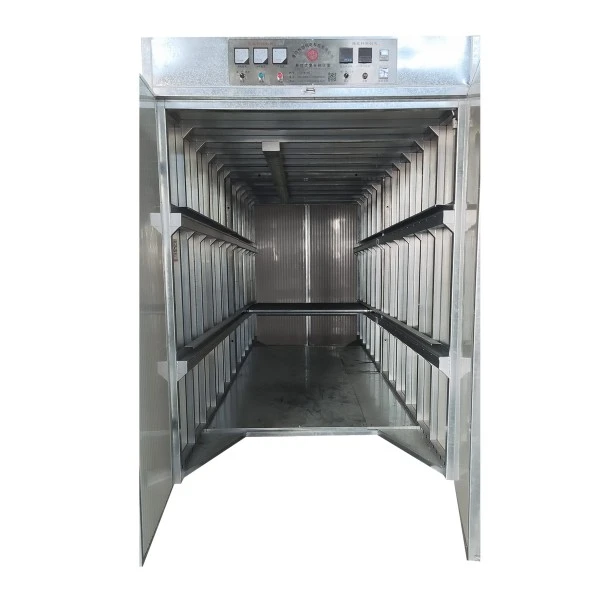
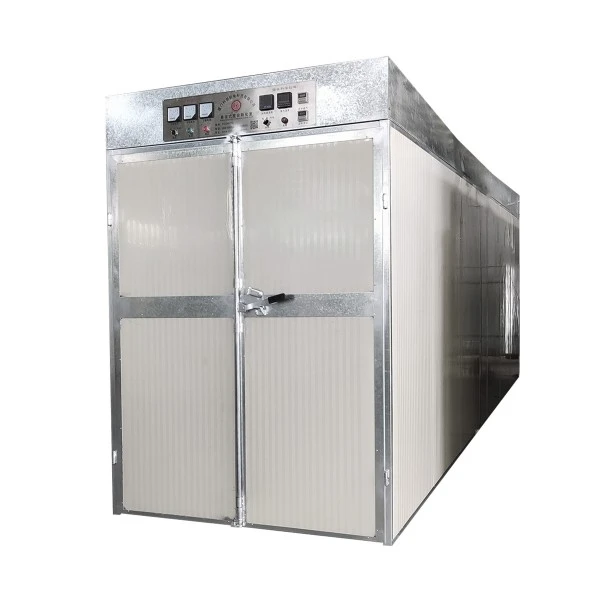
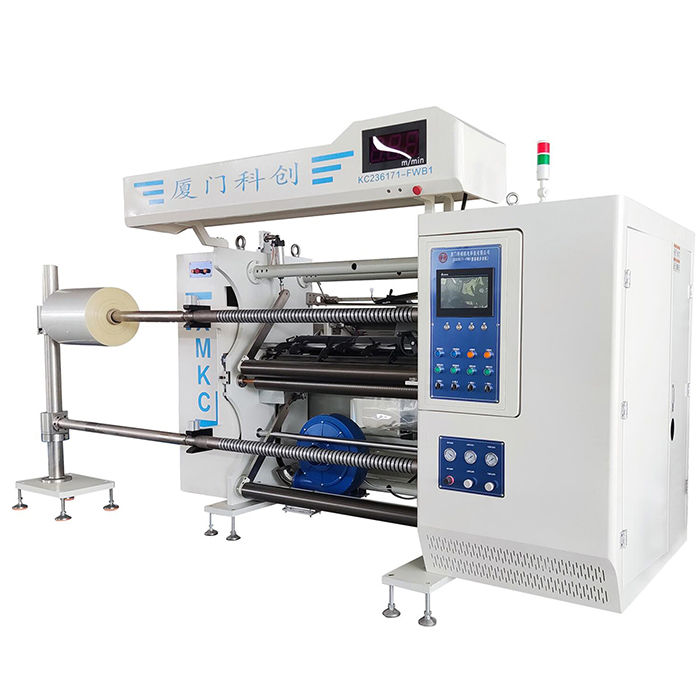
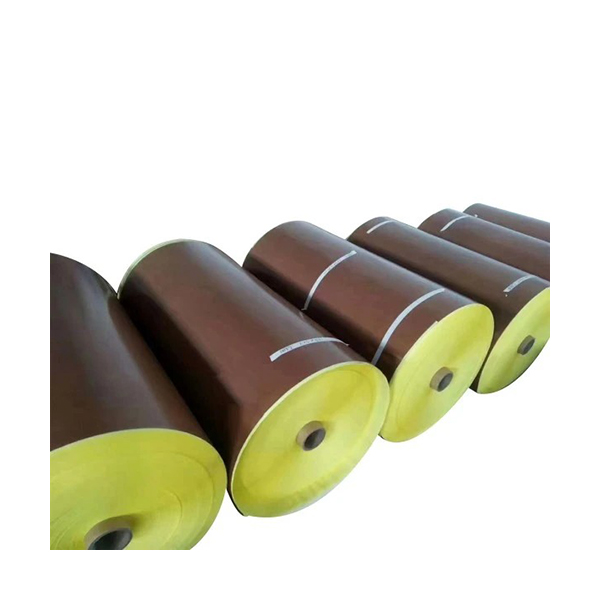
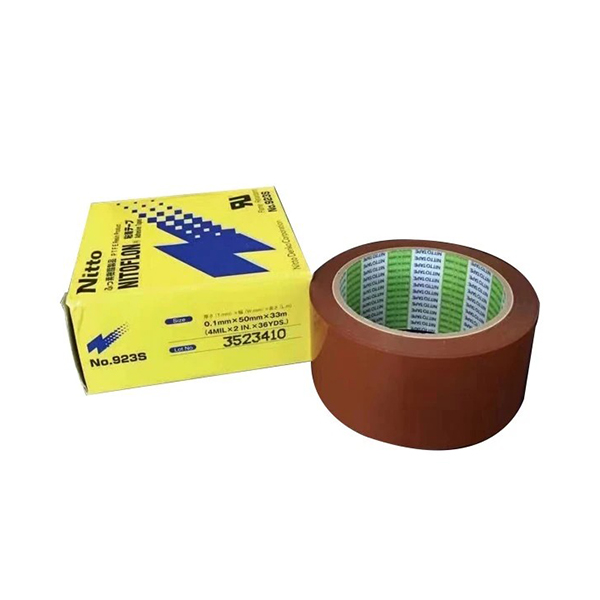
What Is a Fully Automatic Laminating Film Curing Chamber?
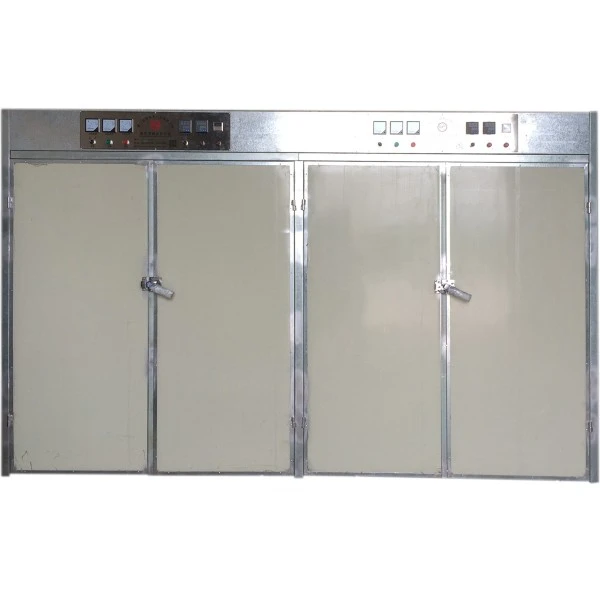
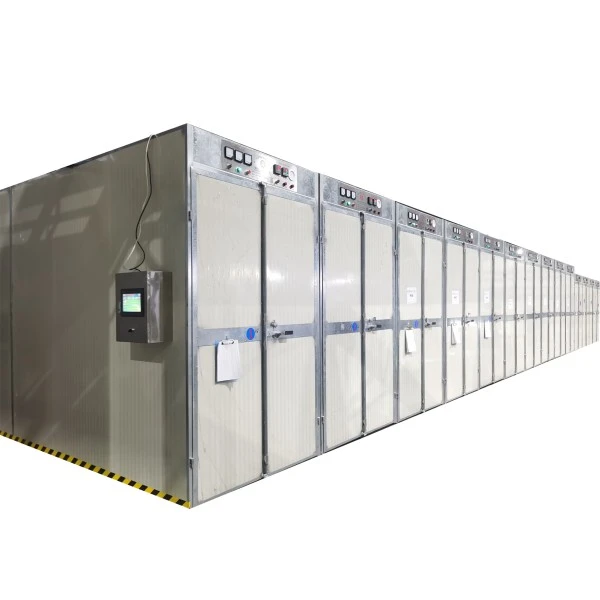
In high-precision manufacturing environments such as electronics, automotive components, packaging, glass processing, and industrial labeling, laminated film performance directly impacts product durability, clarity, adhesion strength, and long-term reliability. Many manufacturers struggle with inconsistent curing times, air bubbles, poor bonding, uneven temperature distribution, excessive manual intervention, and costly rework. A Fully Automatic Laminating Film Curing Chamber is designed to eliminate these production bottlenecks through controlled temperature, humidity, airflow, and intelligent automation systems. By integrating programmable curing cycles, uniform heat distribution, and real-time monitoring, this equipment ensures consistent film bonding performance while reducing labor costs and scrap rates. In this article, we explore how a Fully Automatic Laminating Film Curing Chamber works, why it matters, how it solves common production pain points, and how advanced solutions from Xiamen Kechuang Electromechanical Technology Co., Ltd. help manufacturers achieve stable, scalable, and high-efficiency production.
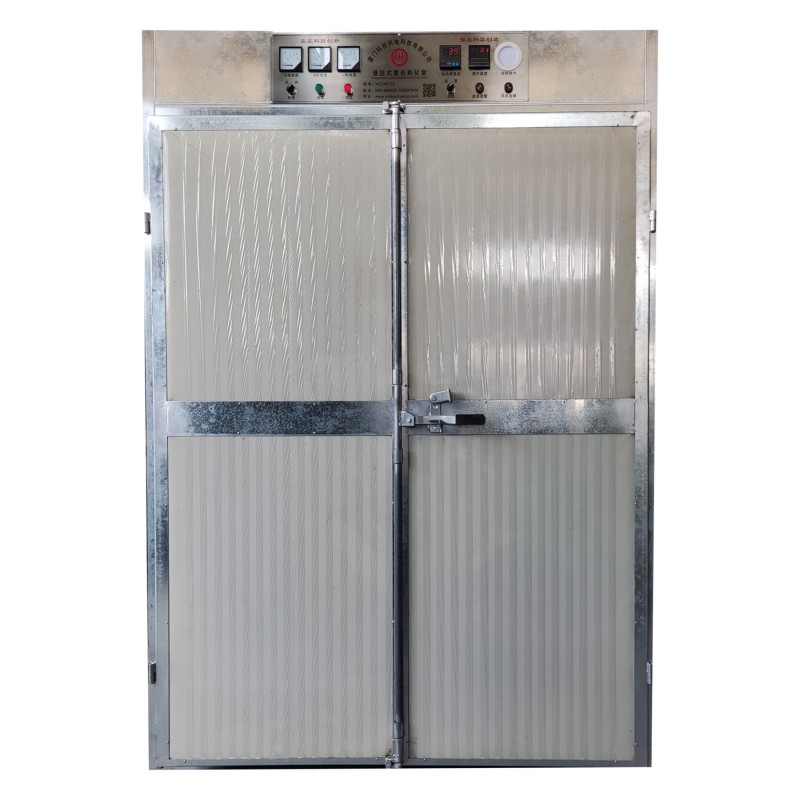
Table of Contents
- Industry Challenges in Laminating Film Curing
- How Does a Fully Automatic Laminating Film Curing Chamber Work?
- Core Technical Components and Intelligent Systems
- Manual vs Semi-Automatic vs Fully Automatic Systems
- Key Advantages for Industrial Manufacturers
- Typical Application Scenarios
- How to Choose the Right Curing Chamber
- Why Choose Xiamen Kechuang Electromechanical Technology Co., Ltd.?
- Frequently Asked Questions
- Conclusion
1. Industry Challenges in Laminating Film Curing
Before investing in advanced curing equipment, it is important to understand the real operational challenges faced by manufacturers:
- Uneven Temperature Distribution – Leads to inconsistent bonding strength.
- Air Bubble Formation – Caused by unstable curing cycles or poor pressure control.
- Manual Operation Errors – Human intervention introduces variability.
- High Energy Consumption – Inefficient heating systems increase operating costs.
- Extended Production Time – Unoptimized curing cycles slow throughput.
- Rework and Scrap Loss – Poor curing quality increases rejection rates.
These pain points directly affect delivery schedules, production cost, and customer satisfaction. A Fully Automatic Laminating Film Curing Chamber is engineered to systematically eliminate these variables.
2. How Does a Fully Automatic Laminating Film Curing Chamber Work?
A Fully Automatic Laminating Film Curing Chamber operates by precisely controlling environmental parameters required for optimal film adhesion. The curing process typically includes:
- Preheating Phase – Stabilizes chamber temperature.
- Lamination Placement – Automated loading system positions materials.
- Controlled Heating Cycle – Uniform thermal distribution activates adhesive bonding.
- Pressure Stabilization – Ensures consistent surface contact.
- Cooling Phase – Prevents stress deformation and improves structural integrity.
- Automated Unloading – Reduces manual handling risk.
Advanced chambers from Xiamen Kechuang Electromechanical Technology Co., Ltd. integrate PLC control systems, touchscreen interfaces, programmable curing profiles, and real-time diagnostics to maintain strict process repeatability.
3. Core Technical Components and Intelligent Systems
| Component | Function | Customer Benefit |
|---|---|---|
| Precision Heating System | Uniform temperature control ±1°C | Stable bonding strength |
| Forced Air Circulation | Even airflow distribution | No hot or cold spots |
| PLC Control Panel | Programmable curing cycles | Repeatable production |
| Humidity Control Module | Prevents moisture defects | Improved film clarity |
| Safety Protection System | Overheat & fault detection | Operational safety |
These systems work together to eliminate variability and enhance production consistency.
4. Manual vs Semi-Automatic vs Fully Automatic Systems
| Feature | Manual | Semi-Automatic | Fully Automatic |
|---|---|---|---|
| Labor Requirement | High | Medium | Low |
| Process Consistency | Unstable | Moderate | High Precision |
| Production Speed | Slow | Medium | High |
| Energy Efficiency | Low | Medium | Optimized |
| Scrap Rate | High | Medium | Minimal |
Fully automatic systems provide measurable ROI through efficiency, stability, and reduced waste.
5. Key Advantages for Industrial Manufacturers
- Improved adhesive curing consistency
- Reduced labor cost
- Higher production throughput
- Lower defect and rejection rate
- Energy-saving heating design
- Data-driven process optimization
Manufacturers partnering with Xiamen Kechuang Electromechanical Technology Co., Ltd. benefit from custom chamber sizing, tailored curing profiles, and scalable system integration for high-volume production lines.
6. Typical Application Scenarios
- Automotive interior laminated panels
- Electronic display protective films
- Glass lamination processing
- Industrial labeling and packaging
- Composite material bonding
Each application requires strict environmental control, which is precisely what a Fully Automatic Laminating Film Curing Chamber delivers.
7. How to Choose the Right Curing Chamber
When selecting equipment, consider:
- Chamber capacity and dimensions
- Temperature control accuracy
- Automation level
- Energy efficiency rating
- After-sales technical support
- Customization capability
Xiamen Kechuang Electromechanical Technology Co., Ltd. provides tailored engineering consultation to match equipment specifications with your production needs.
8. Why Choose Xiamen Kechuang Electromechanical Technology Co., Ltd.?
- Experienced engineering team
- Advanced automation technology
- Custom industrial solutions
- Strict quality control standards
- Comprehensive technical support
With years of experience in industrial automation and curing systems, Xiamen Kechuang Electromechanical Technology Co., Ltd. delivers reliable, scalable, and cost-effective solutions for global manufacturers.
9. Frequently Asked Questions
Q1: How long does a curing cycle typically take?
A: Depending on material type and adhesive formulation, curing cycles may range from 30 minutes to several hours.
Q2: Can the system be customized?
A: Yes, chamber dimensions, heating power, airflow configuration, and control software can all be customized.
Q3: What maintenance is required?
A: Regular inspection of heating elements, airflow systems, and control modules ensures long-term stability.
Q4: Is energy consumption high?
A: Modern fully automatic systems are designed for energy optimization and reduced operational cost.
10. Conclusion
A Fully Automatic Laminating Film Curing Chamber is not just a piece of equipment—it is a strategic investment in product quality, operational efficiency, and long-term competitiveness. By eliminating manual variability, ensuring uniform curing conditions, and integrating intelligent automation, manufacturers can significantly reduce defects and improve throughput. If your production line demands precision, scalability, and consistent results, Xiamen Kechuang Electromechanical Technology Co., Ltd. offers advanced curing chamber solutions tailored to your industry requirements. Ready to upgrade your lamination process and reduce production risks? Contact us today to discuss your project and discover how our fully automatic systems can transform your manufacturing efficiency.
Related News
- How Many Slitting Strips Can Your Machine Generate Simultaneously?
- How Does a Curing Chamber with Painted Door Improve Industrial Efficiency and Product Quality?
- How Does a Dual-Passage Curing Chamber Improve Industrial Efficiency and Product Quality?
- Why Choose a Heavy-Duty Curing Chamber?
- How Does an Automatic Tension Controller Improve Production Efficiency?
- What Is a Standard Slitting Machine and Why Is It Essential for Modern Manufacturing?
Leave me a message