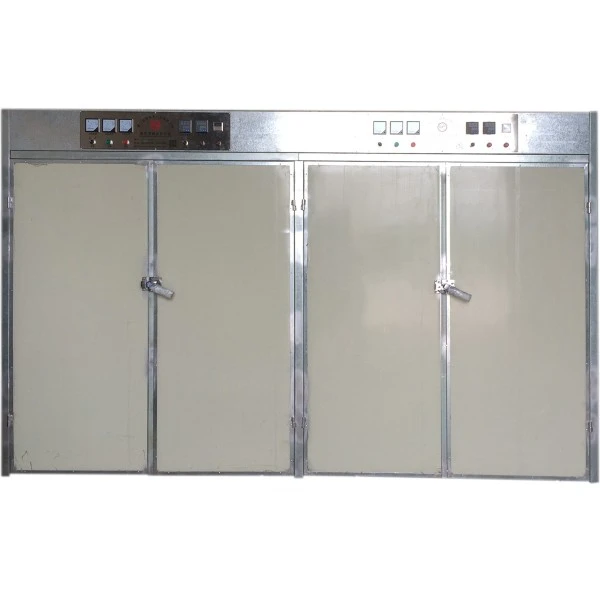
Why Choose a Standard Curing Chamber for Your Production?
Standard Curing Chamber technology is essential for precise temperature and humidity controlled curing processes in manufacturing, materials testing, and industrial production. This comprehensive blog covers all aspects — from definitions to applications, pros and cons, best practices, and FAQs to help you make the right decision for your setup.
Article Summary
This article dives into the world of curing chambers — what they are, how they work, why they matter, and how industries apply them. We break down related terminology, explore benefits and limitations, compare alternatives, and provide actionable guidance on choosing and using a standard curing chamber within your facility. The questions throughout guide your understanding in an intuitive, cornerstone-blog format.
Table of Contents
- What is a Standard Curing Chamber?
- How Does a Curing Chamber Work?
- Why is Standard Curing Critical in Industrial Settings?
- What Are Key Features to Look For in a Standard Curing Chamber?
- What Are the Pros and Cons of a Standard Curing Chamber?
- How to Choose the Right Standard Curing Chamber?
- Frequently Asked Questions (FAQ)
- Conclusion & Contact Us
What is a Standard Curing Chamber?
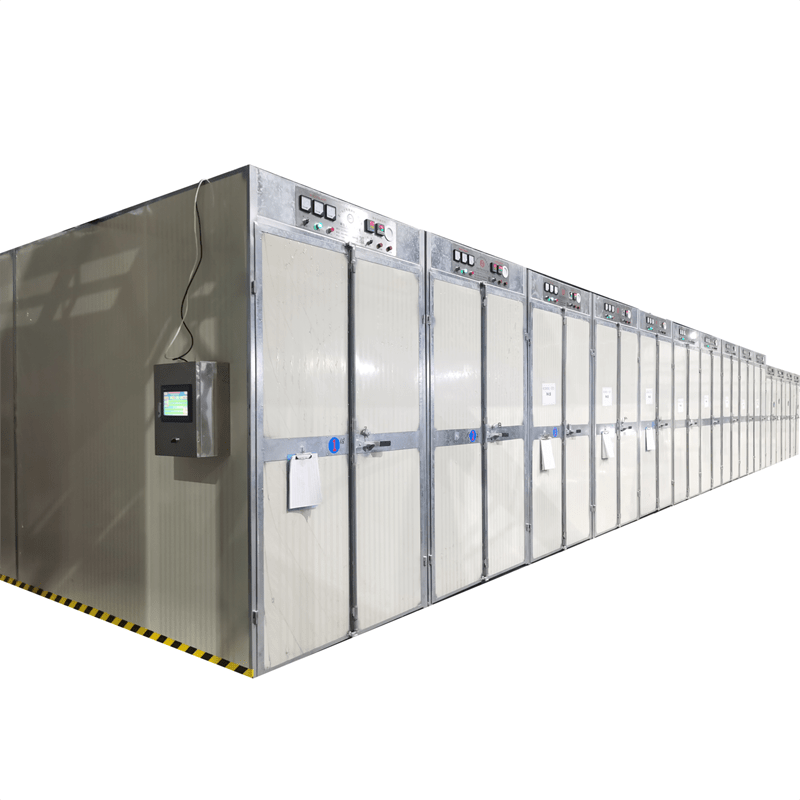
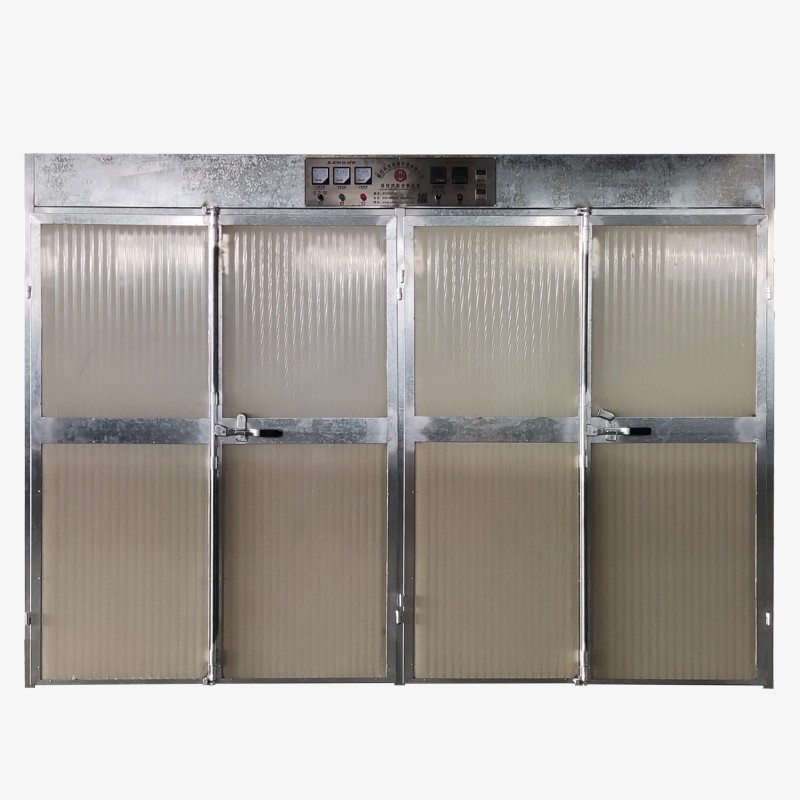
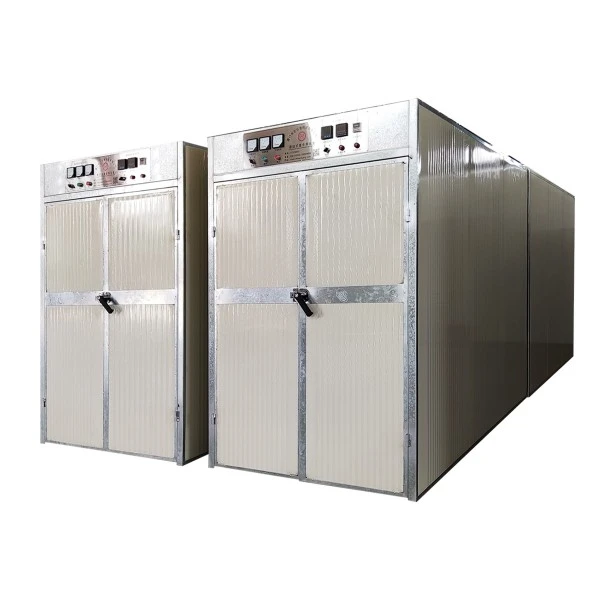
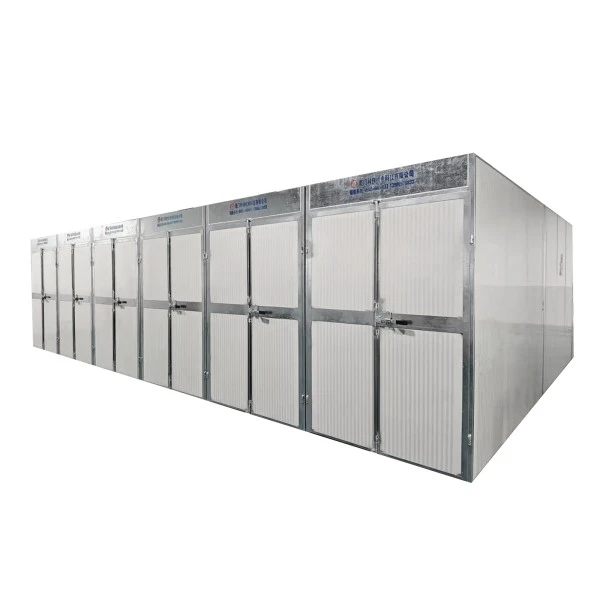
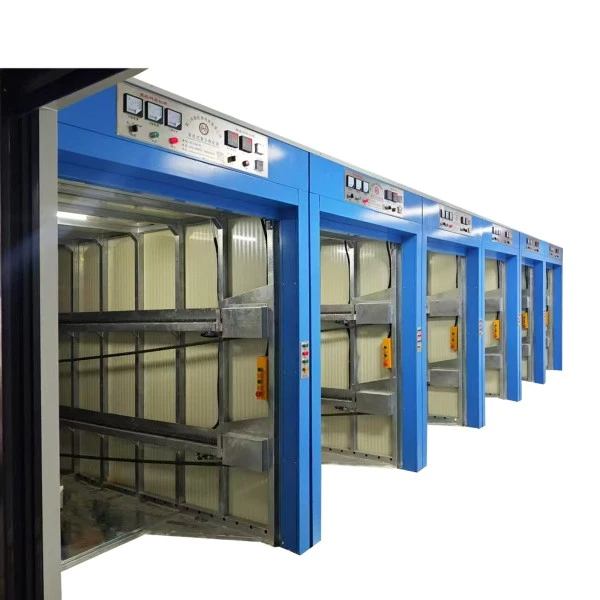
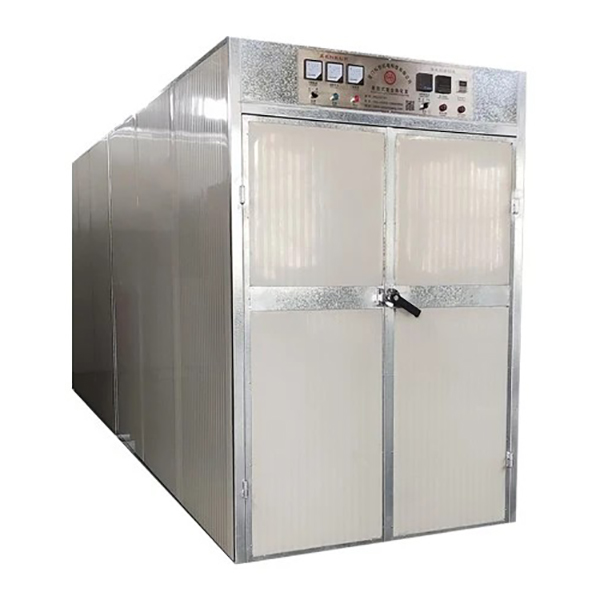
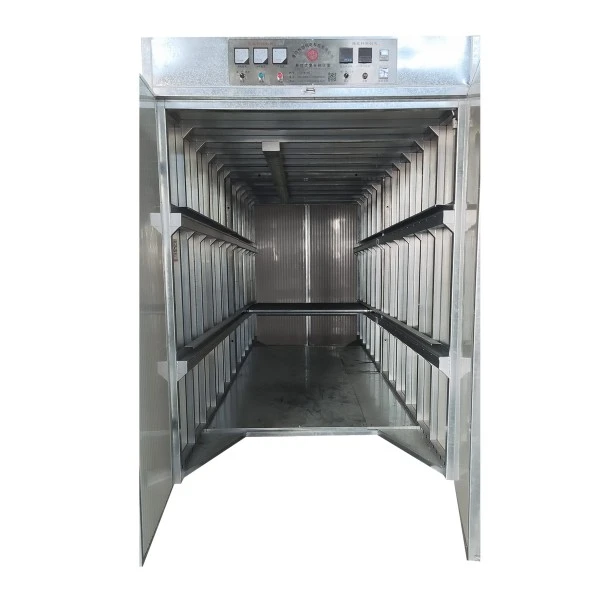
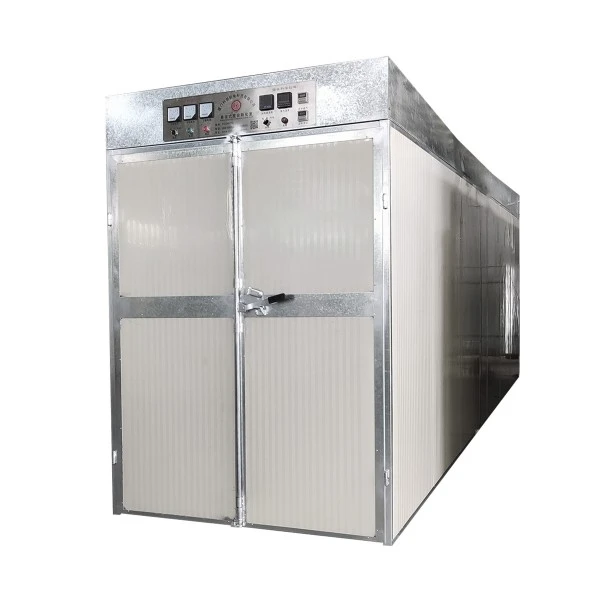
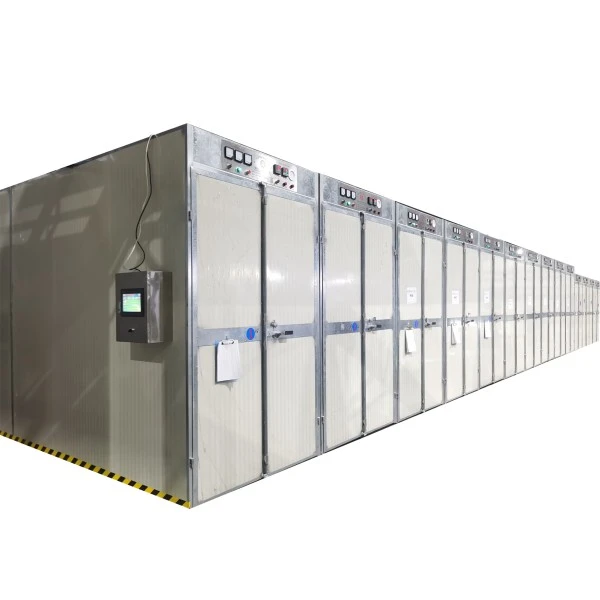
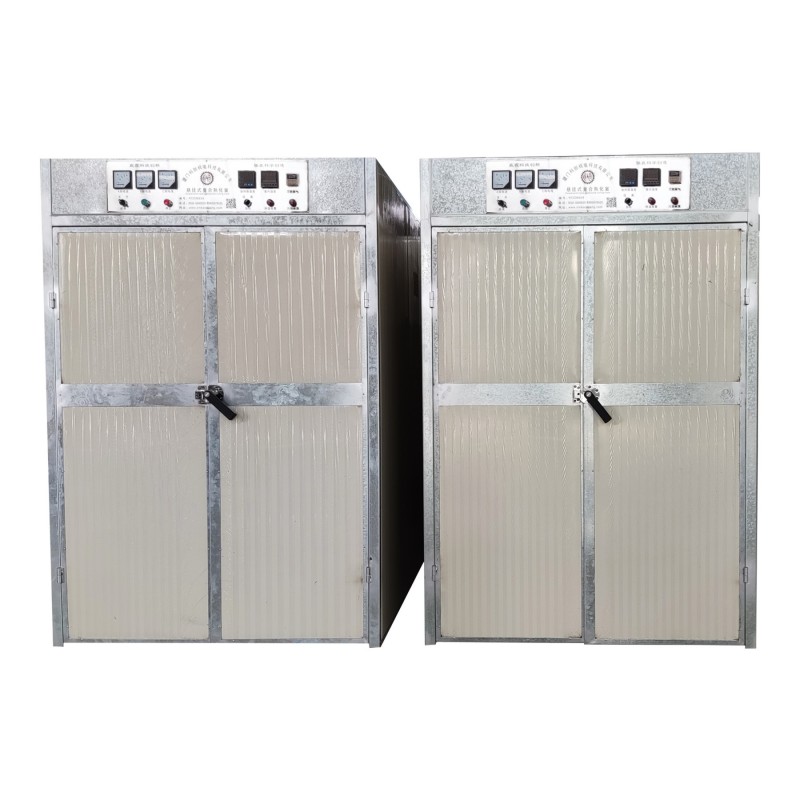
A Standard Curing Chamber is a controlled environmental enclosure designed to regulate temperature, humidity, and airflow to accelerate and standardize the curing process of materials like concrete, composites, coatings, adhesives, and polymers. These chambers are used across quality assurance labs, production floors, and research facilities where consistency and repeatability are necessary. Providers like Xiamen Kechuang Electromechanical Technology Co., Ltd. manufacture chambers to meet industry specifications and custom project requirements.
How Does a Curing Chamber Work?
Standard curing chambers work by creating a stable environment that mimics optimal curing conditions — typically involving controlled heat and moisture. They use sensors and feedback controls for precision.
Core Components
- Temperature Controllers
- Humidity Regulators
- Sensors and Feedback Systems
- Insulated Enclosures
- Air Circulation Mechanisms
Why is Standard Curing Critical in Industrial Settings?
Proper curing directly impacts product integrity, performance, and lifespan. Inconsistent curing conditions can lead to defects like cracking, incomplete polymerization, or variable material properties. Standard curing chambers provide repeatable, traceable, and measurable conditions required in regulated industries.
| Industry | Application | Benefit |
|---|---|---|
| Concrete Production | Tensile & compressive strength development | Improved durability & compliance |
| Composites | Curing of fiber-reinforced materials | Uniform properties, fewer defects |
| Coating & Adhesives | Polymer cross-linking | Optimal finish and bonding strength |
What Are Key Features to Look For in a Standard Curing Chamber?
The features you require depend on materials, scale, and process requirements. Below are common criteria:
- Temperature Range: Does it cover your target curing temperatures?
- Humidity Control: Essential for materials sensitive to moisture.
- Size and Capacity: Chamber volume vs. batch size.
- Energy Efficiency: Operational cost implications.
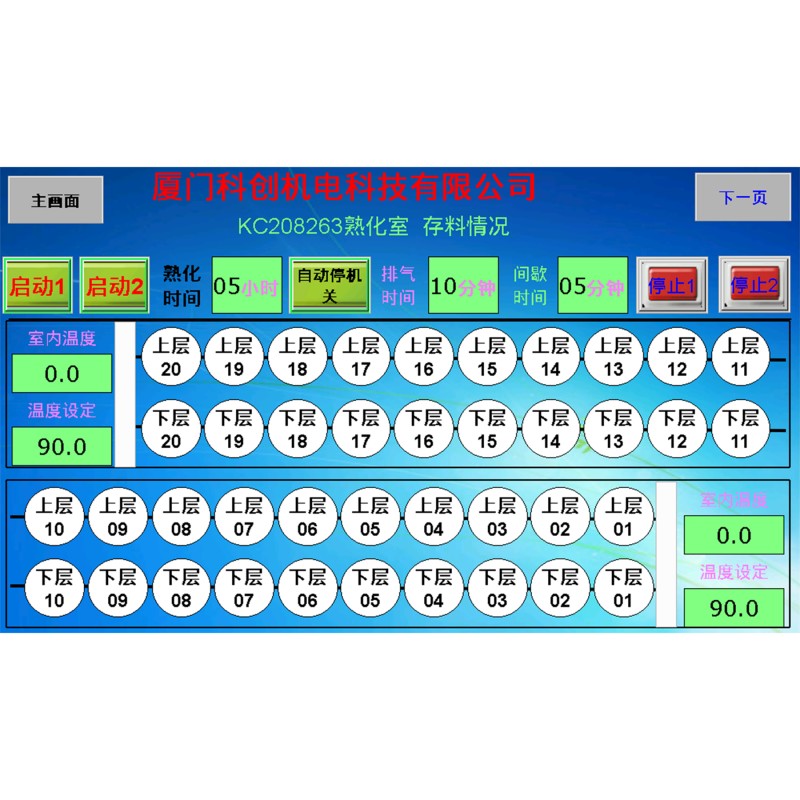
- Control Interface: LCD, remote access, automation options.
What Are the Pros and Cons of a Standard Curing Chamber?
| Aspect | Advantages | Limitations |
|---|---|---|
| Consistency | Standardized environment reduces variability. | Higher initial cost than makeshift setups. |
| Control | Precise settings for T/H, airflow, and duration. | Requires calibration and maintenance. |
| Scalability | Modular configurations available. | Space requirements can be significant. |
How to Choose the Right Standard Curing Chamber?
Selecting the right system involves evaluating your workflow needs, industry standards, and long-term goals.
Checklist for Decision Makers
- Define your application (product type and curing profile).
- Determine throughput and capacity needs.
- Consider regulatory compliance and documentation requirements.
- Assess total cost of ownership (installation, operation, service).
- Evaluate supplier expertise and support (e.g., Xiamen Kechuang Electromechanical Technology Co., Ltd. customer service, warranty, spare parts availability).
Frequently Asked Questions (FAQ)
What is the difference between a Standard Curing Chamber and an Oven?
A Standard Curing Chamber is specifically designed to manage both temperature and humidity to support curing reactions — ovens may only regulate temperature without fine humidity control required for many materials.
How long should the curing process last inside a standard chamber?
Curing duration varies by material and product specification. Concrete may require weeks at controlled humidity and temperature, while polymers might cure in hours. Testing and material datasheets provide the best guidance.
Can I retrofit my existing curing chamber with advanced controls?
Yes — many systems support retrofits such as digital controllers, remote monitoring, or upgraded sensors. Consult with the manufacturer or technical specialist to ensure compatibility and calibration accuracy.
What maintenance does a standard curing chamber require?
Routine checks of sensors, seals, electrical connections, and calibration verification are standard. Scheduled maintenance extends service life and preserves reliable performance.
Is energy efficiency important when choosing a curing chamber?
Absolutely. Energy-efficient chambers reduce operational costs over time and can improve sustainability scores for your facility. Look for insulation quality, efficient control logic, and component ratings.
Conclusion & Contact Us
Standard curing chambers are indispensable tools for industries that demand repeatable and controlled curing conditions. Whether you’re curing concrete, composites, coatings, or adhesives, understanding what to look for — from key features to pros and cons — empowers you to make smarter investments. For advanced solutions, trusted service, and tailored chamber systems, Xiamen Kechuang Electromechanical Technology Co., Ltd. stands ready to support your operational goals.
Looking to optimize your curing process? Contact us today to find the perfect Standard Curing Chamber solution tailored to your needs!
Related News
- How Many Slitting Strips Can Your Machine Generate Simultaneously?
- How Does a Curing Chamber with Painted Door Improve Industrial Efficiency and Product Quality?
- How Does a Dual-Passage Curing Chamber Improve Industrial Efficiency and Product Quality?
- Why Choose a Heavy-Duty Curing Chamber?
- How Does an Automatic Tension Controller Improve Production Efficiency?
- What Is a Standard Slitting Machine and Why Is It Essential for Modern Manufacturing?
Leave me a message