What Standard Curing Chamber Can Solve Quality and Efficiency Challenges in Material Testing?
Maintaining precise temperature and humidity conditions is critical in construction materials testing, laboratory validation, and industrial production. A Standard Curing Chamber provides controlled environmental stability that ensures samples cure consistently and accurately. This article explains how these chambers address common customer challenges such as inconsistent results, compliance issues, and productivity limitations. It covers working principles, advantages, selection guidance, application scenarios, maintenance tips, and answers to frequently asked questions. This comprehensive guide also highlights solutions offered by Xiamen Kechuang Electromechanical Technology Co., Ltd. for laboratories and industrial facilities seeking reliability and performance.
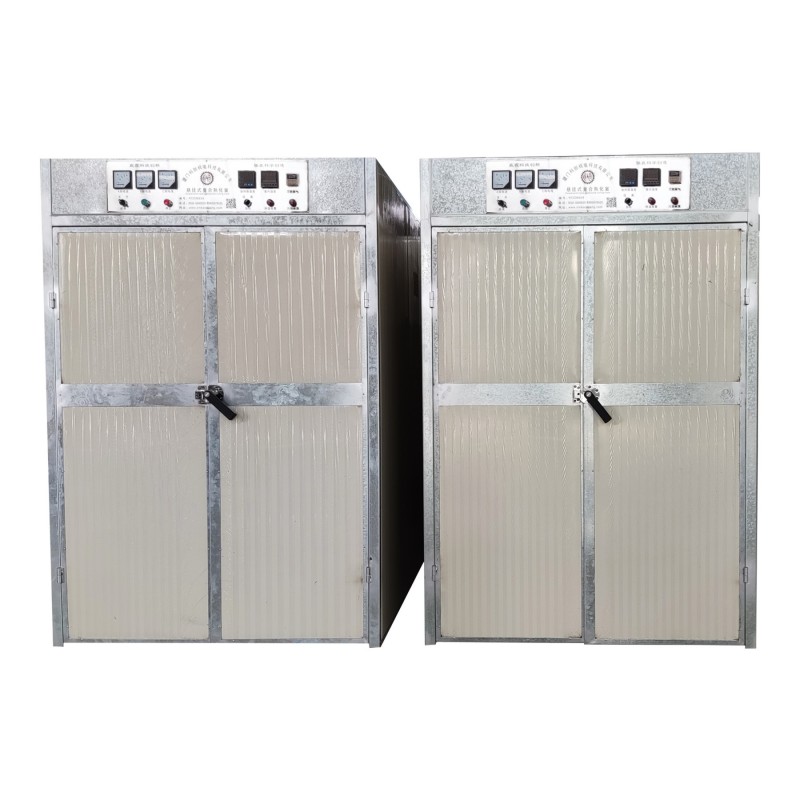
Table of Contents
Introduction to Standard Curing Chambers
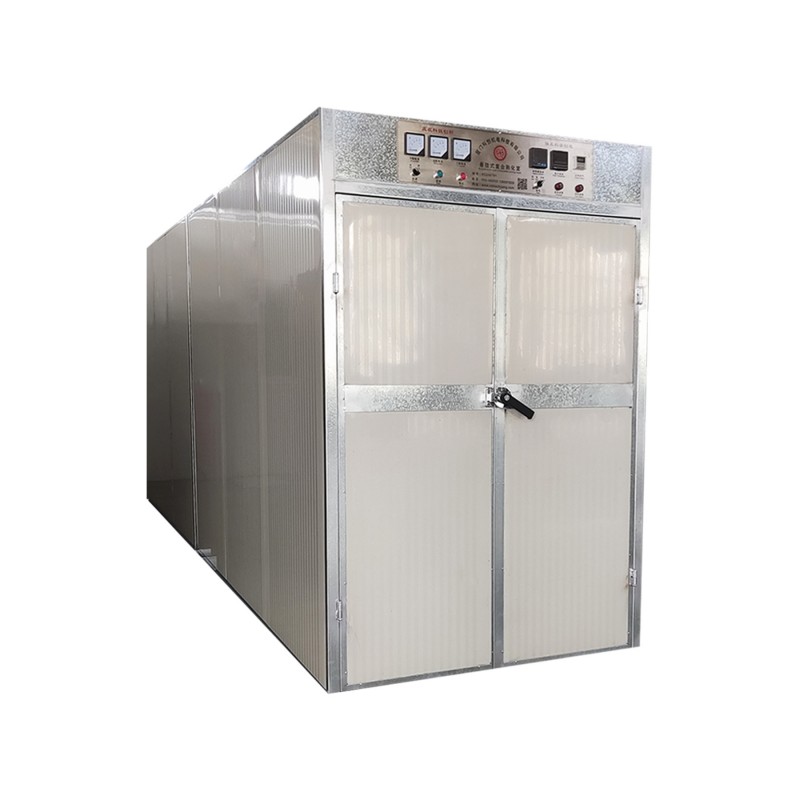
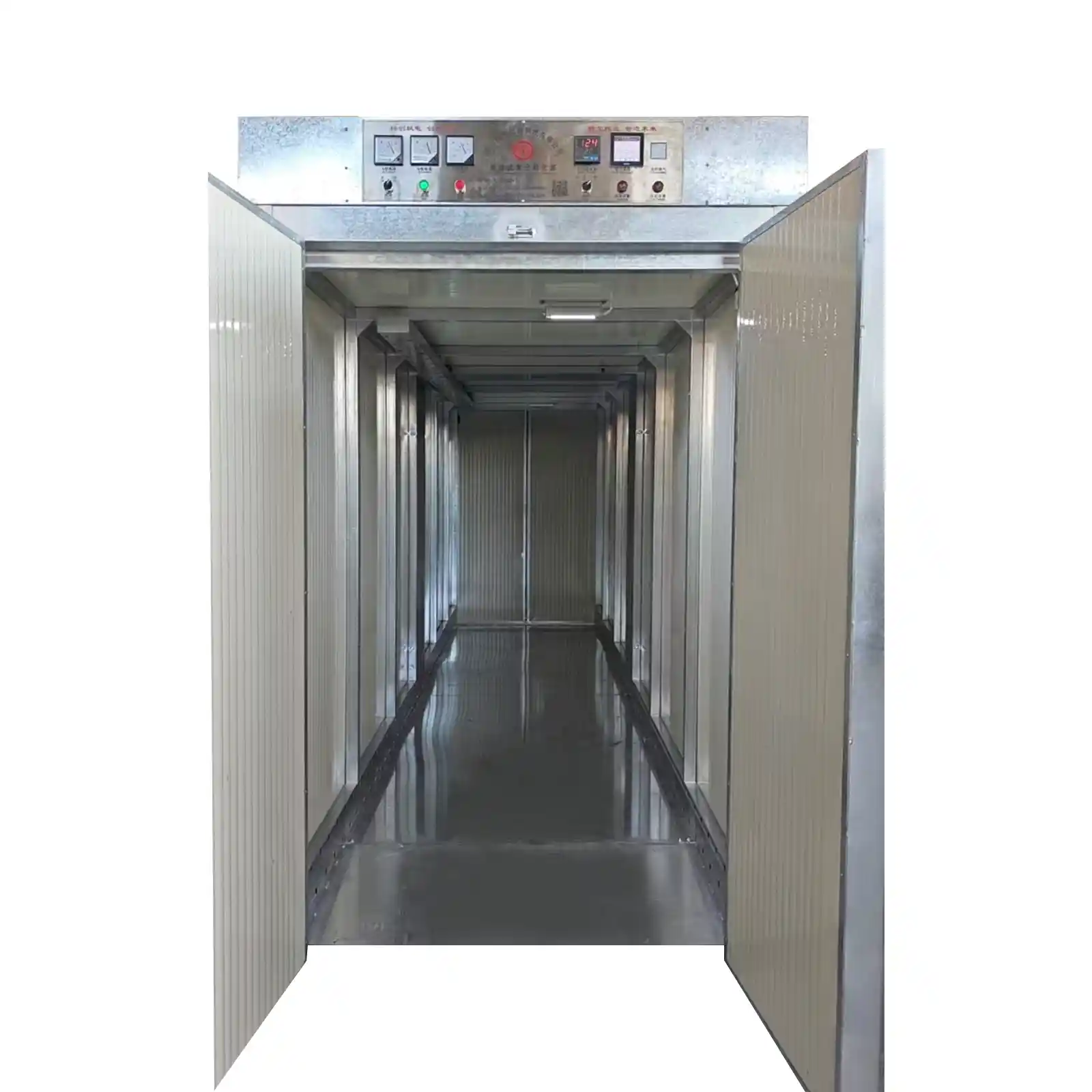
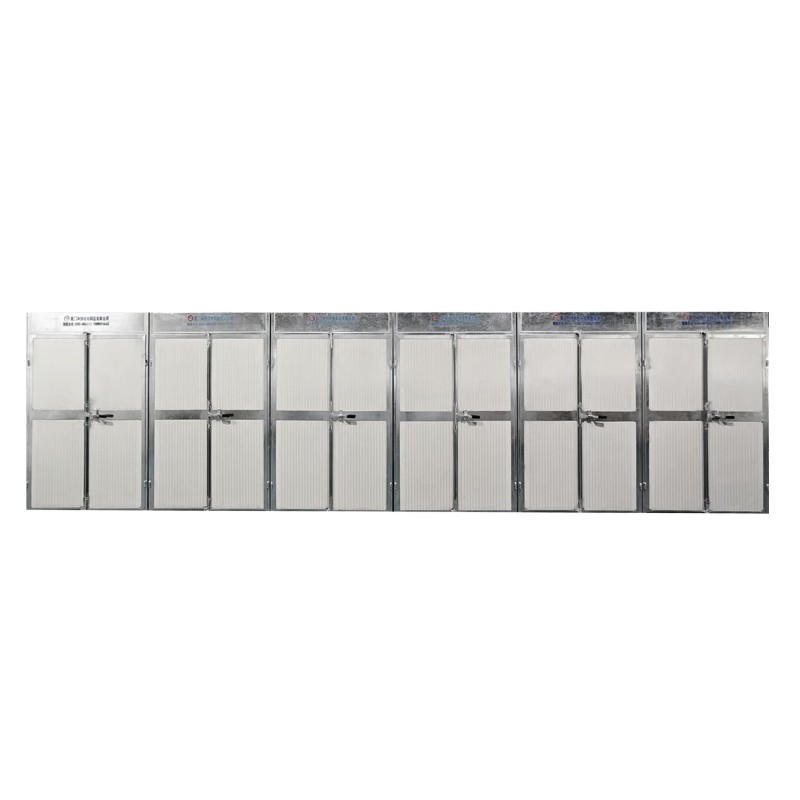
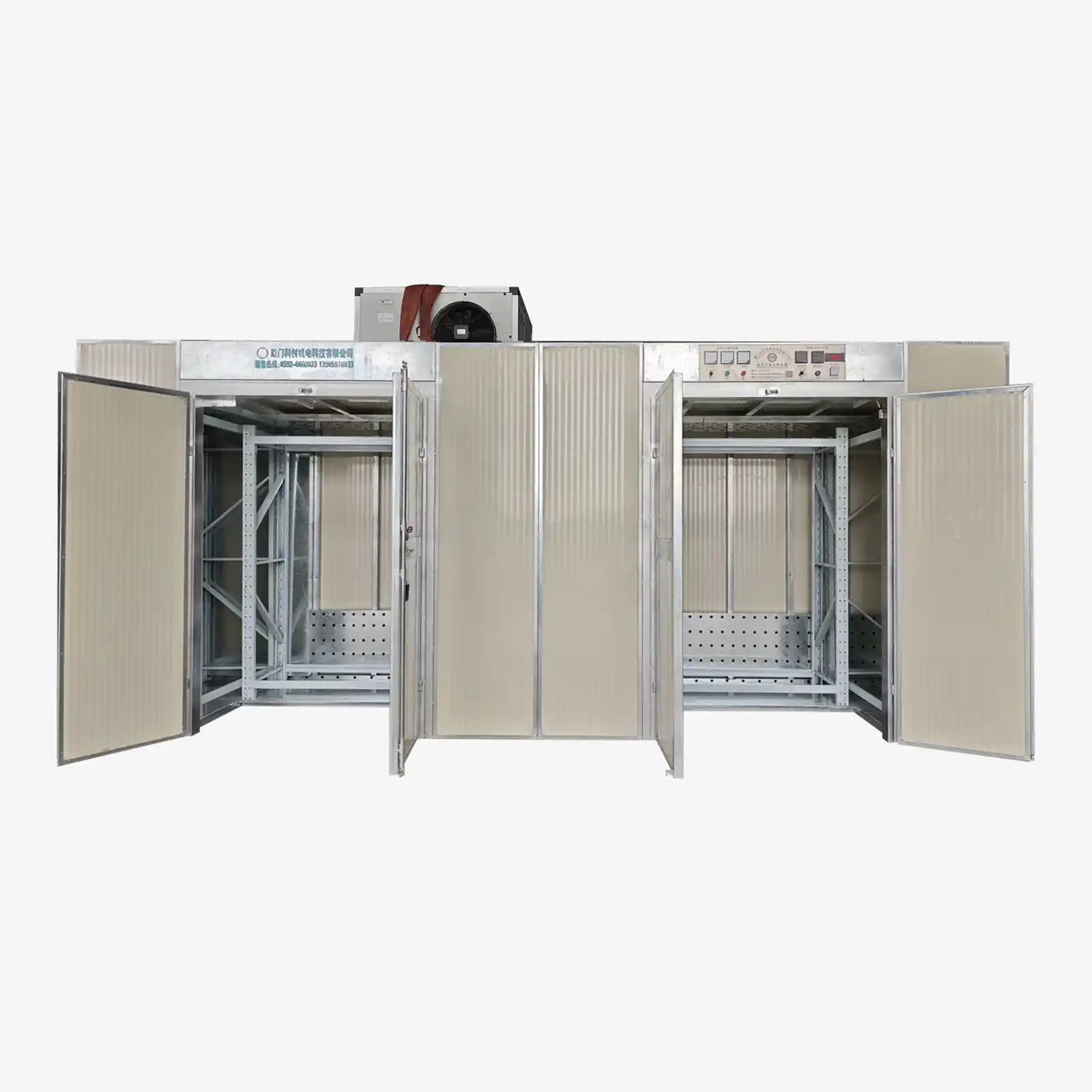
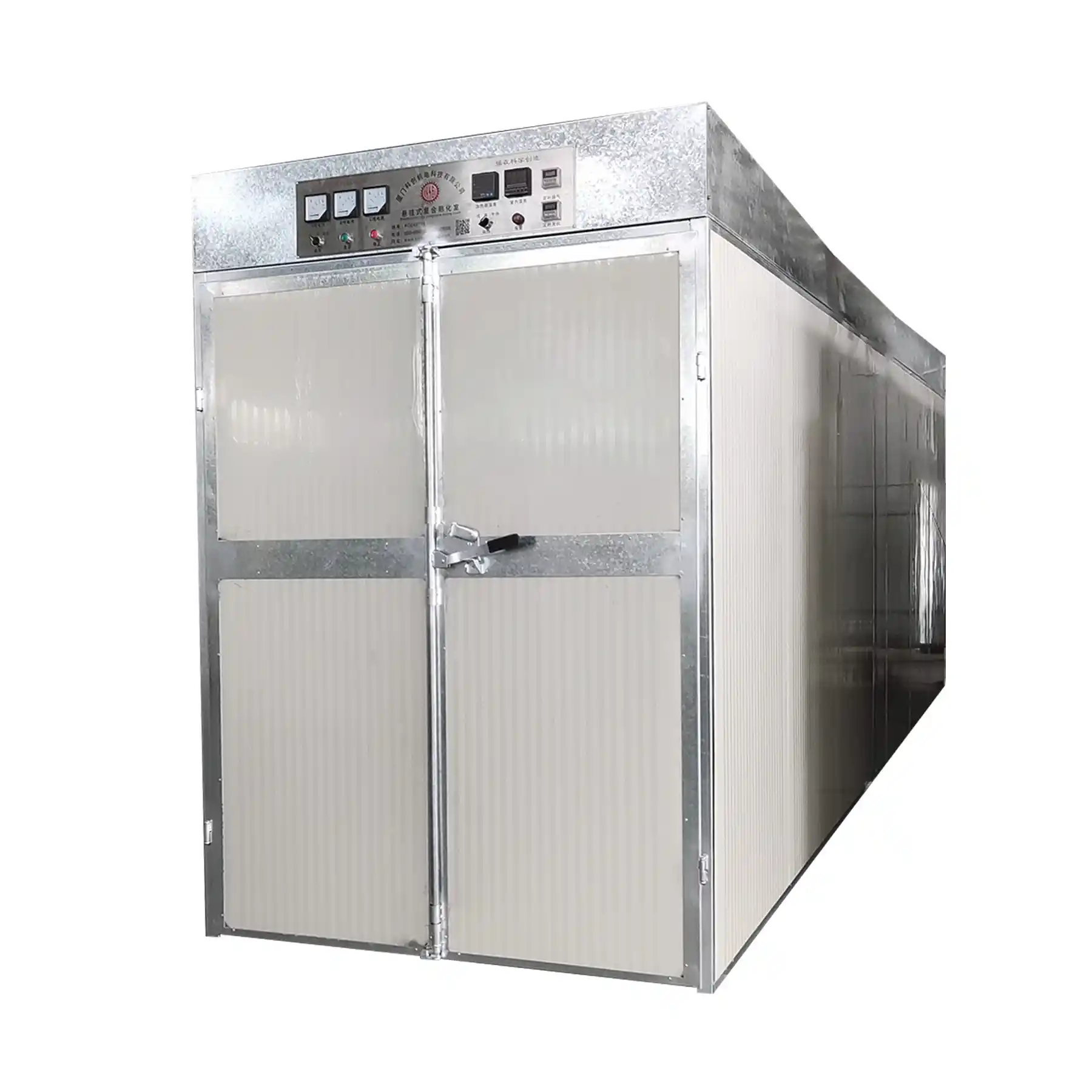
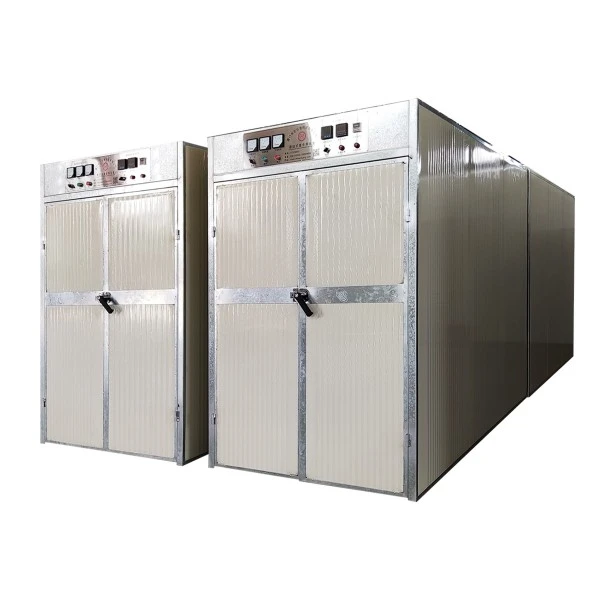
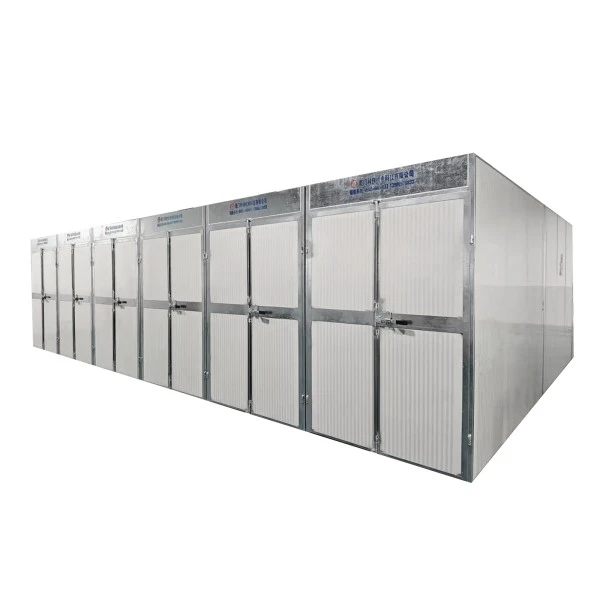
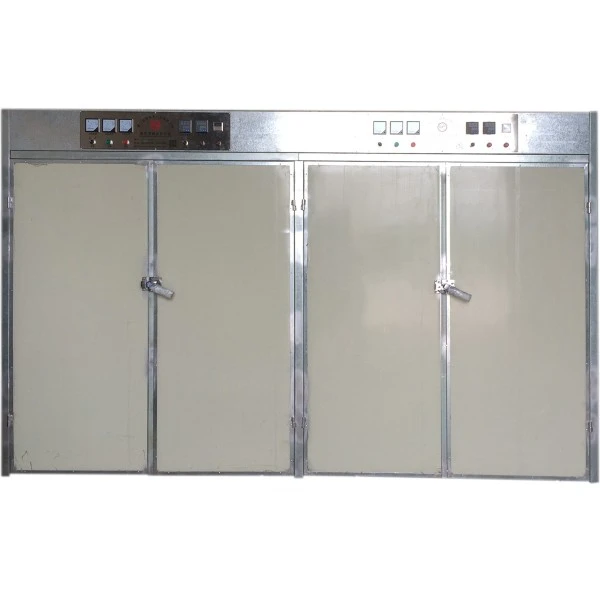
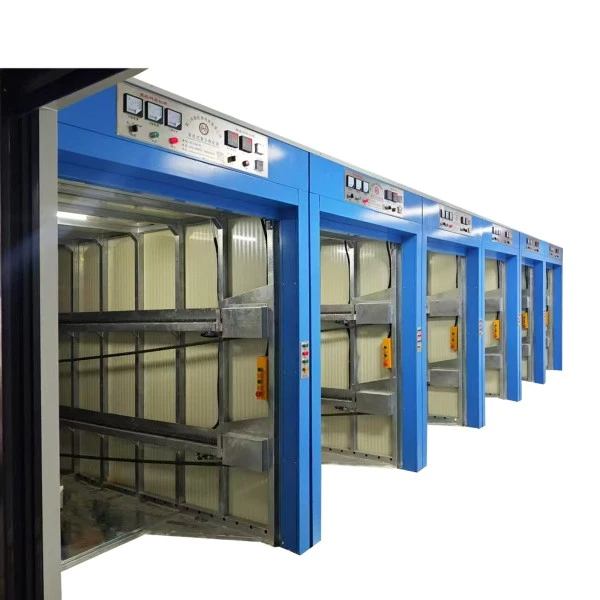
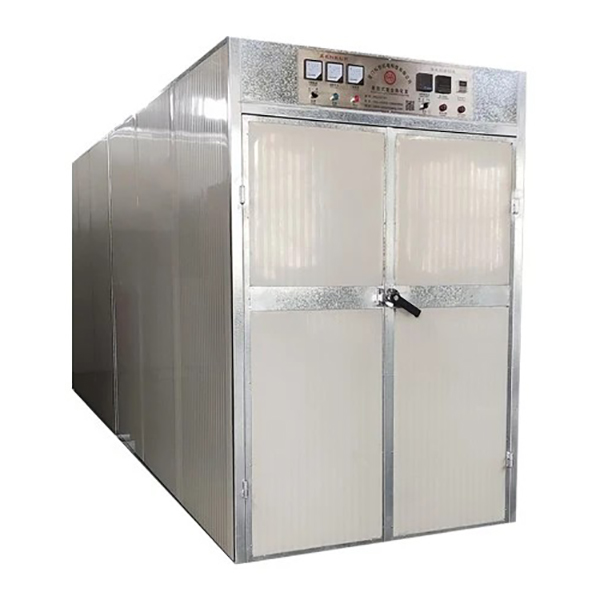
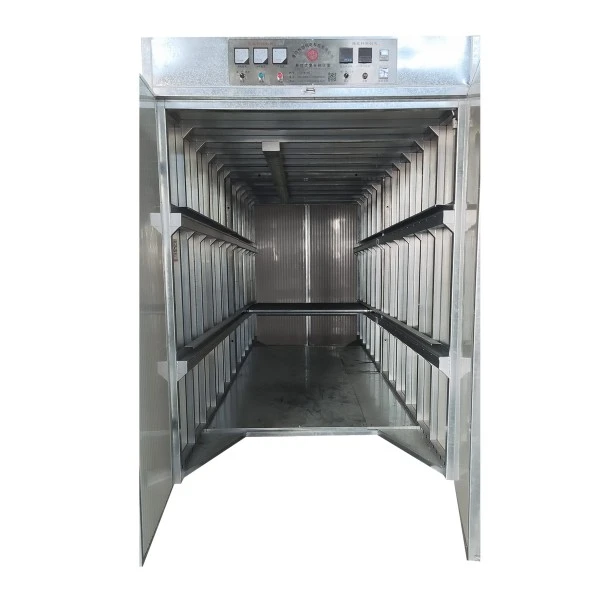
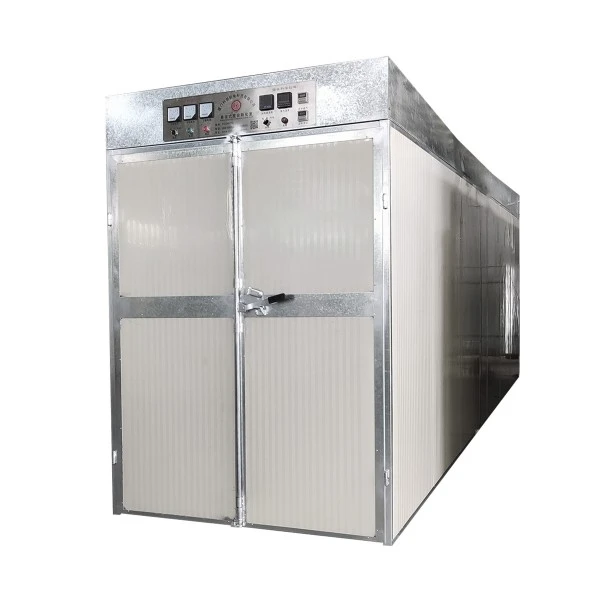
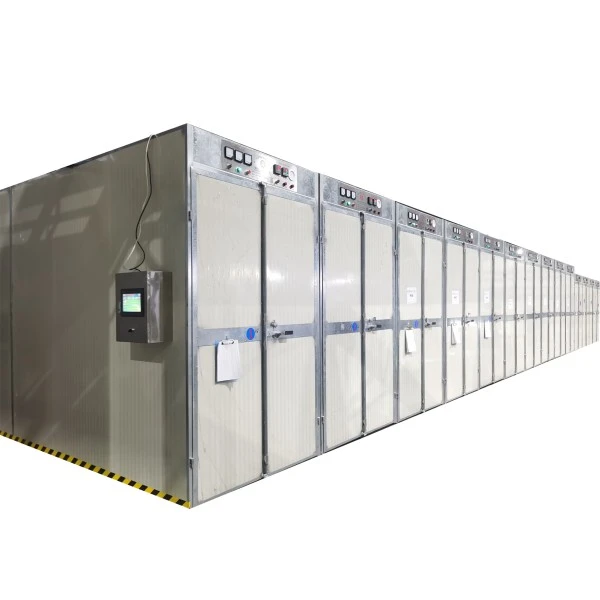
A Standard Curing Chamber is a controlled environmental enclosure designed to regulate temperature and humidity for curing materials such as concrete specimens, cement blocks, and other structural samples. Consistency during curing directly influences strength, durability, and measurement reliability. Without stable conditions, laboratory and field results can fluctuate, leading to inaccurate conclusions and potential safety concerns.
Xiamen Kechuang Electromechanical Technology Co., Ltd. provides curing chamber solutions tailored for research institutes, engineering laboratories, and manufacturing environments. Their systems are designed to maintain environmental balance while supporting high throughput and long-term operation. The importance of dependable curing infrastructure cannot be overstated, particularly when regulatory compliance and structural performance validation are involved.
Common Challenges Faced by Users
Many organizations struggle with achieving uniform curing conditions. Below are some recurring issues customers encounter:
- Fluctuating humidity causing inconsistent test outcomes
- Manual monitoring increasing labor costs
- Limited storage capacity affecting productivity
- Difficulty maintaining compliance with standards
- Energy inefficiency raising operational expenses
Standard Curing Chambers engineered by Xiamen Kechuang Electromechanical Technology Co., Ltd. are designed to address these problems by combining automated monitoring, durable construction, and intelligent control systems.
Working Principle Explained
The operation of a curing chamber revolves around environmental stabilization. Sensors continuously monitor conditions, while integrated systems adjust parameters accordingly. The workflow typically includes:
- Temperature regulation through heating or cooling modules
- Humidity generation using atomized water or steam mechanisms
- Air circulation to ensure uniform distribution
- Digital controllers maintaining setpoints
- Alarm notifications for deviations
This automated process allows technicians to focus on analytical tasks rather than manual adjustments, improving overall workflow efficiency.
Key Features and Technical Capabilities
Modern chambers incorporate advanced capabilities that enhance performance and usability.
- Precision temperature stability
- Programmable humidity control
- Corrosion-resistant interior materials
- Multi-layer storage racks
- Touchscreen interfaces
- Data recording and export functions
Xiamen Kechuang Electromechanical Technology Co., Ltd. integrates these features into their product line to ensure durability and adaptability across diverse operational environments.
Application Areas
Standard Curing Chambers are widely used across industries:
- Construction material testing laboratories
- Quality inspection agencies
- Academic research institutions
- Infrastructure development projects
- Industrial production quality assurance
These environments require dependable curing performance to guarantee material reliability and structural safety.
How to Choose the Right Chamber
When selecting equipment, consider the following factors:
- Required capacity
- Environmental control precision
- Ease of maintenance
- Automation features
- Supplier reputation
Xiamen Kechuang Electromechanical Technology Co., Ltd. offers consultation services to help customers determine appropriate configurations for their specific needs.
Comparison Table
| Factor | Basic Chamber | Advanced Chamber |
|---|---|---|
| Control Accuracy | Moderate | High Precision |
| Automation Level | Manual Monitoring | Automated Monitoring |
| Data Recording | Limited | Integrated Logging |
| Capacity | Small | Large Multi-Rack |
| Operational Efficiency | Standard | Enhanced Productivity |
Maintenance and Best Practices
- Clean internal surfaces regularly
- Inspect sensors periodically
- Calibrate controllers annually
- Verify airflow unobstructed
- Replace worn components promptly
Routine maintenance extends lifespan and preserves performance consistency.
Future Development Trends
The evolution of curing technology is focusing on digital integration and environmental sustainability. Smart connectivity allows remote monitoring, while energy-efficient components reduce operational footprint. Xiamen Kechuang Electromechanical Technology Co., Ltd. continues exploring innovative approaches to enhance system intelligence and reliability.
FAQ
Q: Why is stable humidity important during curing?
A: Stable humidity prevents premature drying and ensures material strength development occurs under consistent conditions.
Q: Can chambers be customized?
A: Yes, manufacturers such as Xiamen Kechuang Electromechanical Technology Co., Ltd. provide tailored solutions based on capacity and control requirements.
Q: How often should calibration be performed?
A: Typically once per year or according to laboratory standards.
Q: Is automation necessary?
A: Automation improves efficiency and reduces human error, making it valuable for frequent testing operations.
Q: What materials can be cured?
A: Concrete, cement composites, and other structural samples commonly require controlled curing.
Reliable curing conditions are essential for accurate results and operational confidence. Xiamen Kechuang Electromechanical Technology Co., Ltd. delivers robust Standard Curing Chamber solutions designed for modern laboratories and industrial users. If you are looking to upgrade your testing environment or enhance productivity, contact us today to explore customized options and professional support.
Related News
- How Many Slitting Strips Can Your Machine Generate Simultaneously?
- How Does a Curing Chamber with Painted Door Improve Industrial Efficiency and Product Quality?
- How Does a Dual-Passage Curing Chamber Improve Industrial Efficiency and Product Quality?
- Why Choose a Heavy-Duty Curing Chamber?
- How Does an Automatic Tension Controller Improve Production Efficiency?
- What Is a Standard Slitting Machine and Why Is It Essential for Modern Manufacturing?
Leave me a message